Alpha-lipoic acid: forms, quality and how to take it
What alpha-lipoic acid is, the difference between the R, S and racemic forms, why we chose the pharmacopoeial form and how to read “200 mg” on the label.

Photo: Milda 444 · CC BY-SA 4.0 · Wikimedia Commons
Alpha-lipoic acid is a small sulphur-containing molecule the body knows well — but in supplements it comes in several forms and under several names. Here is what they mean and how to choose.
How to choose
- A clear name. “Alpha-lipoic acid” (ALA, thioctic acid) is one and the same substance; “R-ALA” and “sodium R-lipoate” are only one of its mirror-image forms.
- Milligrams per daily dose. The label should say how much acid you get — not how much its salt weighs.
- Purity ≥ 99% and batch certificates of analysis — content, heavy metals, microbiology.
- A clean formula: a plant capsule, no colourants, no unnecessary fillers.
Why — below.
What alpha-lipoic acid is
Lipoic acid was discovered in 1951 by Lester Reed, who isolated it from liver: some ten tonnes of raw material gave about 30 milligrams. The body makes small amounts of it itself, in the mitochondria, from octanoic acid — a fatty acid with eight carbon atoms. There it is bound to enzymes and takes part in turning nutrients into energy. Food carries only traces — spinach, broccoli, offal — far too little to extract. So every lipoic acid supplement is synthesised.
R, S and the racemate
The molecule has two mirror-image forms, R and S. They relate to each other like the left and the right hand: the same composition, a different arrangement in space. The body makes only the R form.
Synthesis yields the two in equal parts — a racemic mixture, 50% R and 50% S. That is the “alpha-lipoic acid” of the European Pharmacopoeia (monograph “Thioctic acid”) and the form used in nearly every human study of the past four decades. It is a stable crystalline powder with a clear standard for purity and impurities.
The pure R form is less stable — its molecules link into chains when warmed — so it is sold as sodium R-lipoate, a salt that solves the stability problem. The argument for it is a higher plasma level in one small study from 2007 (Carlson et al.). That is a serious argument, but not a clinical one: there is no comparative study showing a difference in outcome between the salt and the racemate at the same dose.
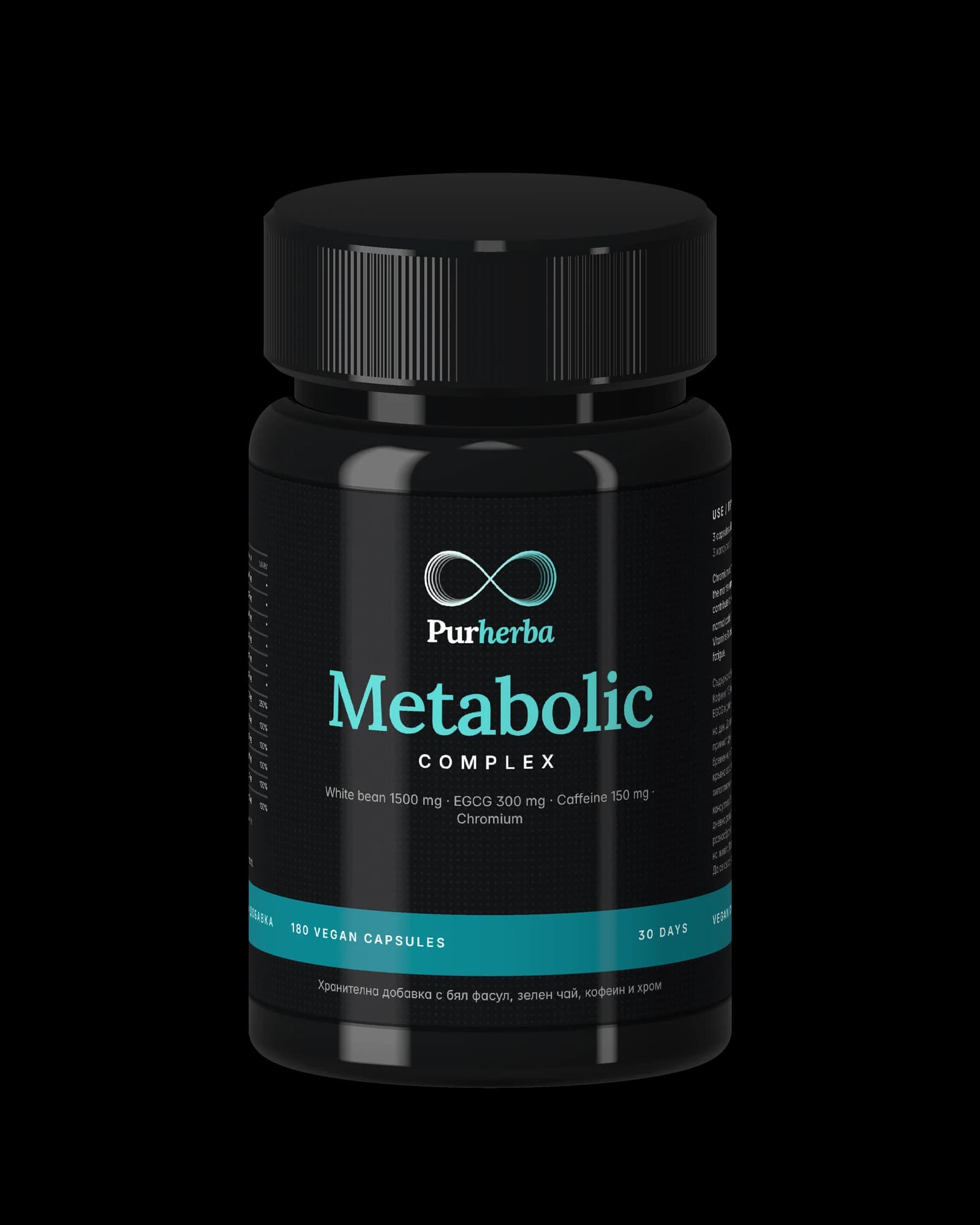
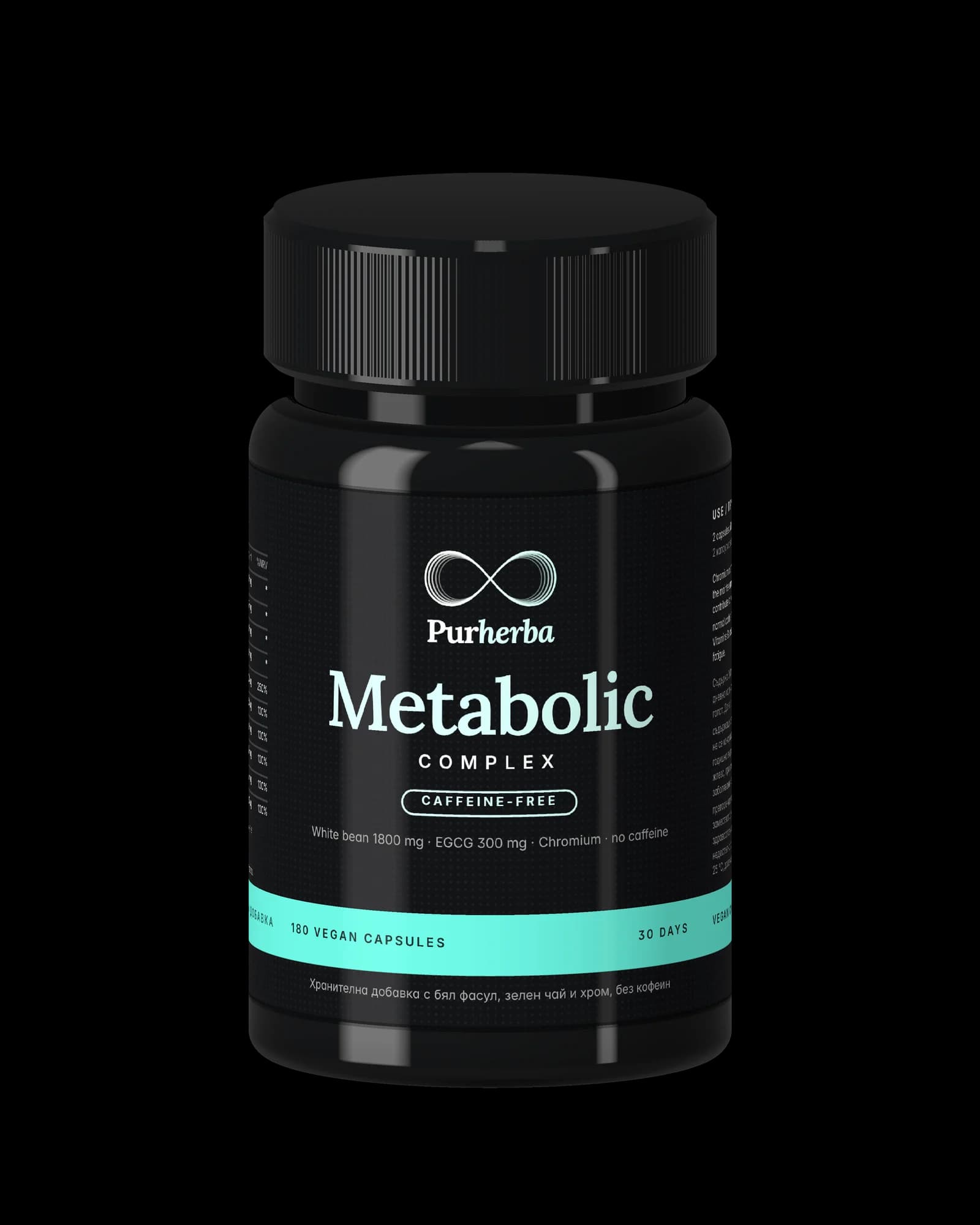
Found in:Metabolic ComplexMetabolic Complex Caffeine-Free
Why we chose the pharmacopoeial form
We weighed both. We decided on racemic alpha-lipoic acid for three reasons: it has a pharmacopoeial standard against which every batch can be tested; it has the most human data; and it comes with full documentation from the manufacturer — a certificate of analysis for purity, impurities and heavy metals. For sodium R-lipoate we could not obtain the same level of documentation. In a clean formula, the documents are part of the formula.
What “200 mg” means
In Metabolic Complex the daily dose contains 200 mg of alpha-lipoic acid — as the acid, not as a salt. With a product based on a salt of the R form, look for the amount recalculated as acid: 230 mg of sodium R-lipoate is about 200 mg of R-lipoic acid. Supplements usually carry between 100 and 600 mg a day. Alpha-lipoic acid has no nutrient reference value and no authorised health claim in the EU — so we do not tie its intake to a particular effect.
Why the certificate matters
A synthesised substance can carry residual solvents and by-products. The batch certificate of analysis shows content (≥ 99% by HPLC), residual solvents, heavy metals and microbiology. Without it, “99%” on a label is a statement, not a measurement.
Alpha-lipoic acid in Metabolic Complex
Metabolic Complex contains 200 mg of alpha-lipoic acid in the daily dose of 6 capsules, together with white kidney bean extract, green tea EGCG, natural caffeine, L-theanine and chromium — the mineral with the EU-authorised claim for normal macronutrient metabolism and the maintenance of normal blood glucose levels. The caffeine-free version carries the same amount.
How to take it
Take the product as the label says — Metabolic Complex is taken with food, 3 capsules with breakfast and 3 with lunch; the caffeine-free version, 2 capsules with each of the three main meals. Store in a dry place below 25 °C: lipoic acid does not like heat or moisture. If you take medication for blood glucose or thyroid, consult your doctor before use. Not for pregnant or breastfeeding women or persons under 18.
Sources
- 1.European Pharmacopoeia, monograph “Thioctic acid” (Acidum thiocticum). EDQM, Council of Europe
- 2.Higdon J, Delage B, Hagen TM (2002, upd. 2018). Lipoic Acid. Micronutrient Information Center, Linus Pauling Institute, Oregon State University
- 3.Carlson DA, Smith AR, Fischer SJ, Young KL, Packer L (2007). The plasma pharmacokinetics of R-(+)-lipoic acid administered as sodium R-(+)-lipoate to healthy human subjects. Altern Med Rev 12(4):343-351
- 4.Hackert ML (2024). Lester J. Reed (1925–2023). Biographical Memoirs, National Academy of Sciences
- 5.Регламент (ЕС) № 432/2012 на Комисията за създаване на списък на разрешените здравни претенции (консолидиран текст, BG и EN)
- 6.Photo: “Lipoová kyselina.jpg”, Milda 444, CC BY-SA 4.0, Wikimedia Commons