Black maca: how to choose a quality root extract
What sets black maca apart, why it matters where it comes from and how it was dried, what macamides are and how to read the label of the extract.
October 11, 2026
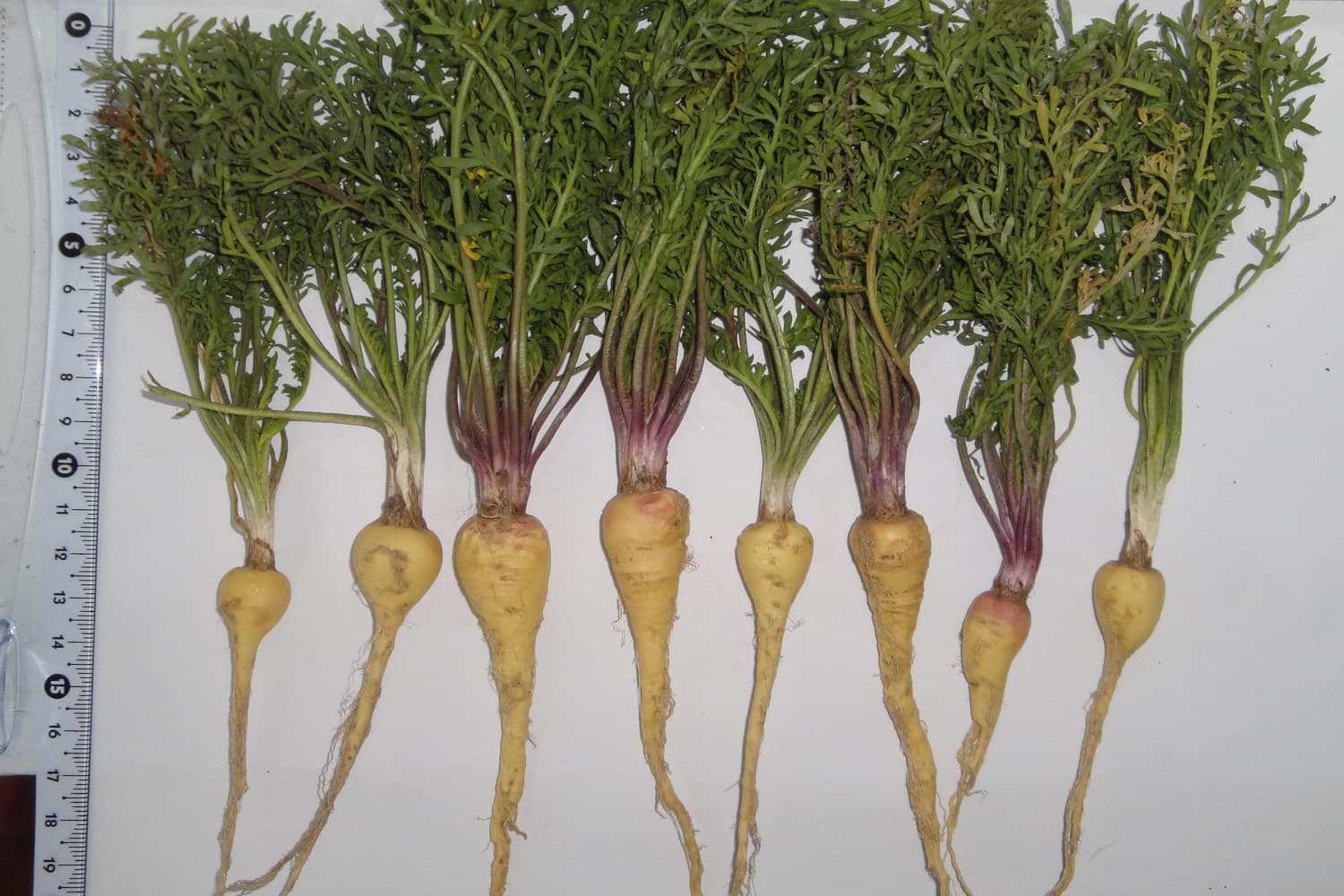
Maca is an Andean root that Peruvians have grown and eaten for over 2000 years. Black is one of its main colours — and it has its own particularities that are worth knowing before you choose a product.
How to choose
- Black maca, Lepidium meyenii. The label should state the species and the colour, not just “maca”.
- The Peruvian Andes. True maca grows at 3500–5000 m above sea level.
- Standardised extract. A stated percentage of macamides — for example at least 0.6%.
- The amount in milligrams. From the dose and the percentage you can work out how many mg of macamides are in the daily dose.
- A certificate of analysis for every batch.
Why? Read on.
Why colour matters
Up to 17 colours of maca have been described, grouped into several main groups: yellow (cream), red, purple and black. Cream is the most widely grown; black is rarer and has a more distinctive, sweet-bitter taste.
Colour is not just appearance. The chemical profile of the root depends on the colour, the place of cultivation and the processing after harvest — which is why researchers insist that the maca used should always be specified. In black maca, for example, benzyl glucosinolate can be up to 80% of all glucosinolates.
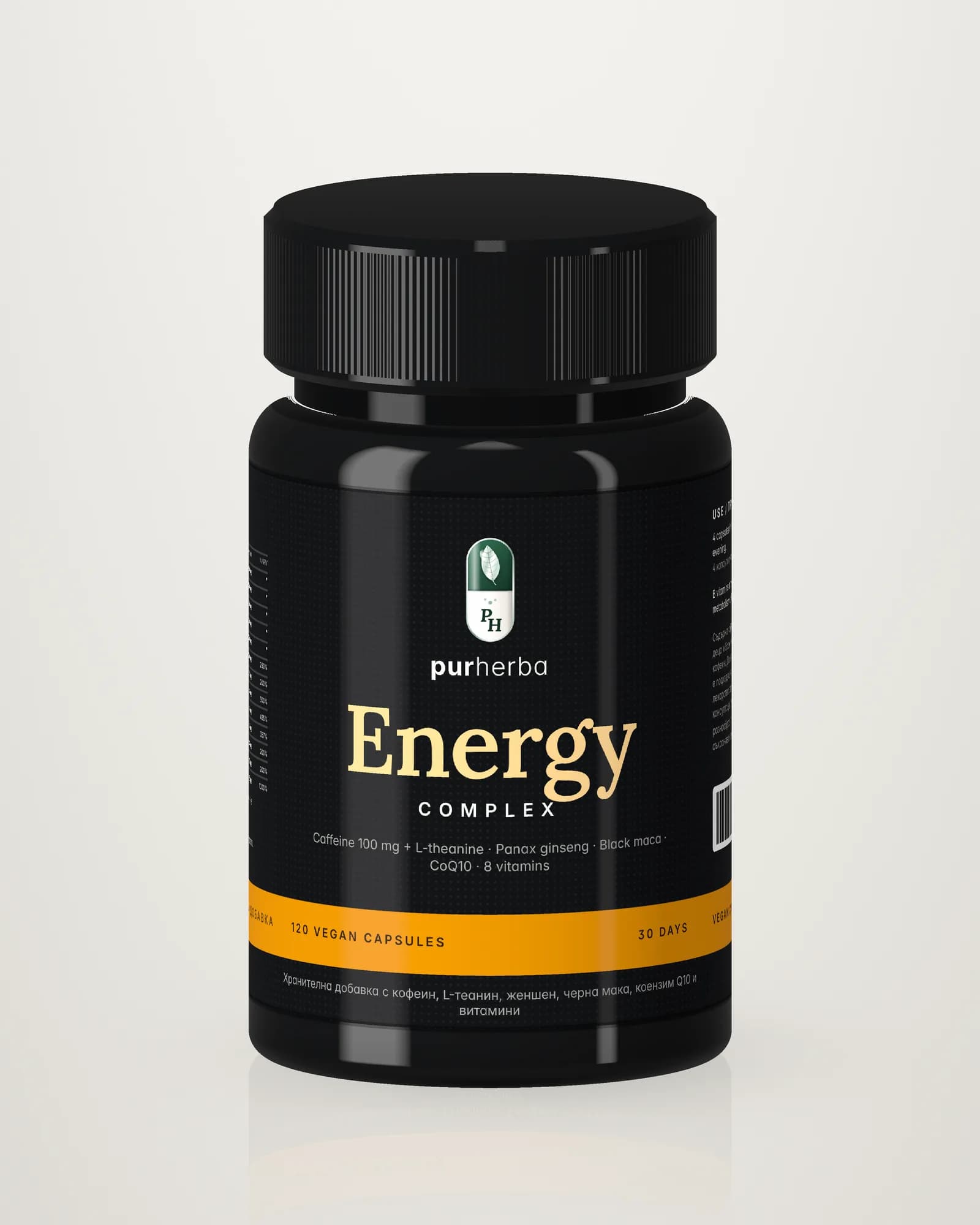
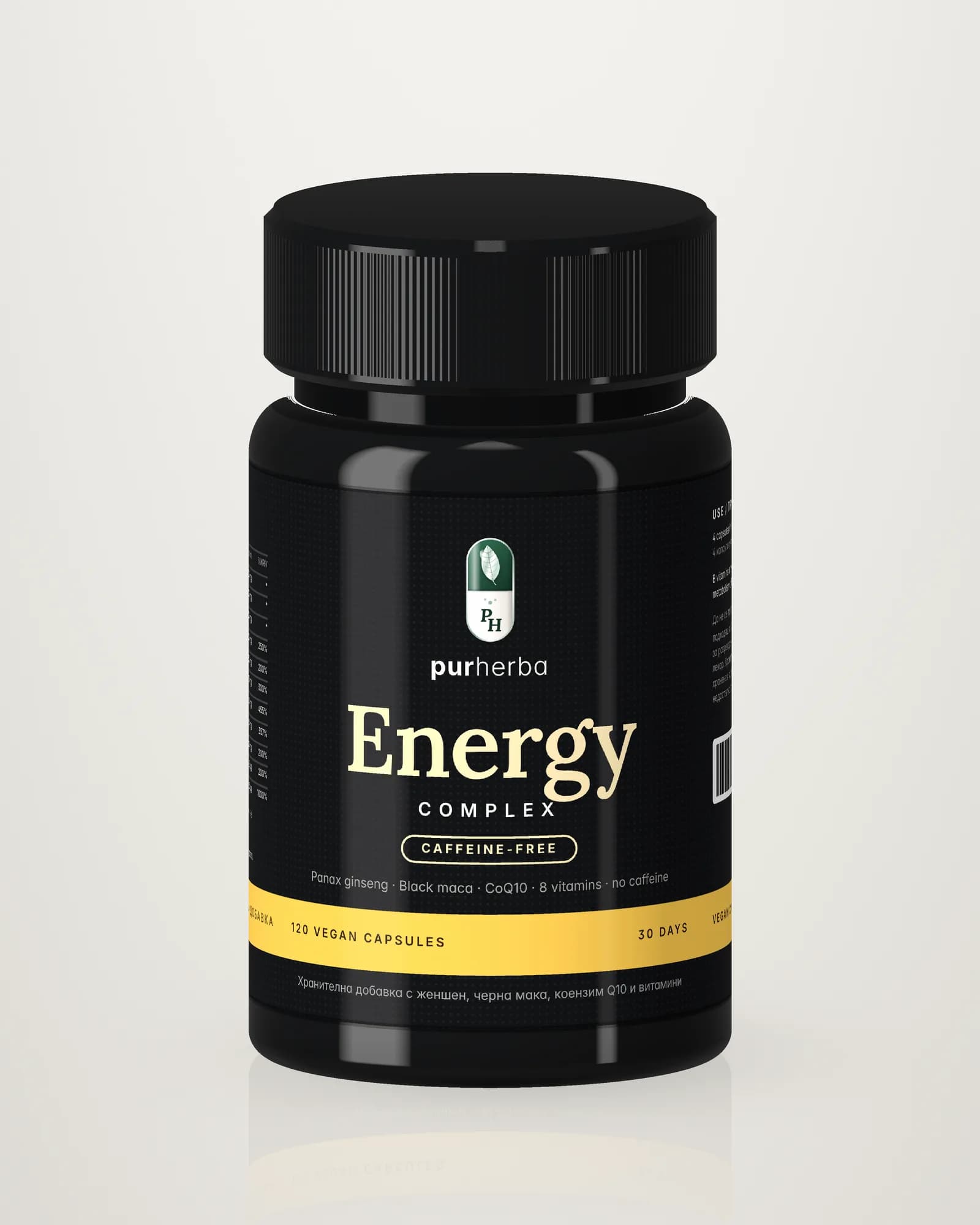
Found in:Energy ComplexEnergy Complex Caffeine-Free
Why from the Andes
Maca is a plant of the coldest, harshest high plateaus of the Central Andes — around Lake Junín in Peru, above 4000 m. There, night frosts and strong sun are part of its natural environment. Grown below 3500 m, maca contains fewer macamides.
What macamides are
Macamides are N-benzylamides of fatty acids and have so far been found only in maca. That is why they serve as its characteristic quality marker: a laboratory uses them to recognise true maca. Macaenes — long-chain unsaturated fatty acids — are also typical of it, but they occur in other plants too, for example in the tomato.
Macamides form after harvest, while the root dries. Traditional open-air drying lasts two to three months, under alternating frost and high-mountain sun — and air-dried root contains more macamides than freeze-dried.
The sum: 500 mg of extract with 0.6% macamides gives 3 mg of macamides. This is how products with different doses are compared.
Gelatinised or raw
The root is rich in starch, so maca powder is often gelatinised — briefly heated under pressure and with moisture. This gives a more easily digestible powder; raw powder retains about 20% more glucosinolates. Capsules usually use an extract — and for an extract, the macamide percentage matters most.
Why the certificate of analysis matters
The percentage on the label is only as reliable as the analysis behind it. A good certificate confirms the macamides, the species, the heavy metals and the microbiology. The certificate of analysis for each of our batches is on the product page and behind the QR code on the packaging.
The plant and its history
Maca (Lepidium meyenii) belongs to the cabbage family (Brassicaceae) — a relative of the radish, cabbage and broccoli. Above ground it has only a small rosette of leaves; below it grows the fleshy part that is eaten — the hypocotyl, something between a root and a stem.
Archaeological traces of its cultivation around Lake Junín go back to about 1700 BC, and the first written description dates from 1553. The high-mountain settlements traded maca for maize and rice from the valleys. The locals eat it dried and always cooked: in water or milk, as a sweet porridge, ground into flour for bread and flatbreads, as the fermented “chicha de maca”. In Huancayo, maca pudding and maca sweets are popular. The dried root keeps for years.
Black maca in Energy Complex
Energy Complex contains 500 mg of black maca root extract (≥0.6% macamides) together with 400 mg of Panax ginseng extract, 100 mg of coenzyme Q10, 100 mg of natural caffeine from green coffee, 200 mg of L-theanine, 200 mg of vitamin C and B vitamins in active forms.
The claims authorised in the EU for the formula come from the vitamins: vitamin C, thiamin, riboflavin, niacin, pantothenic acid and vitamins B6 and B12 contribute to normal energy-yielding metabolism, while vitamin C, riboflavin, niacin, pantothenic acid, vitamins B6 and B12 and folate contribute to the reduction of tiredness and fatigue.
How to take it
4 capsules in the morning with breakfast, with water. Do not take in the evening. The daily dose contains 100 mg of caffeine; if you avoid caffeine, there is a caffeine-free and L-theanine-free version.
Sources
- 1.Minich DM et al. (2024). Not All Maca Is Created Equal: A Review of Colors, Nutrition, Phytochemicals, and Clinical Uses. Nutrients 16(4):530
- 2.Ulloa del Carpio N et al. (2024). Exploring the chemical and pharmacological variability of Lepidium meyenii: a comprehensive review of the effects of maca. Front Pharmacol 15:1360422
- 3.Gonzales GF et al. (2014). Maca (Lepidium meyenii Walp), una revisión sobre sus propiedades biológicas. Rev Peru Med Exp Salud Publica 31(1):100-110
- 4.Melnikovova I et al. (2012). Macamides and fatty acids content comparison in maca cultivated plant under field conditions and greenhouse. BLACPMA 11(5):420-427
- 5.Wikipedia: Lepidium meyenii (colours, altitude, traditional foods, archaeology)
- 6.Photo: “Lepidium meyenii, Tsaghkadzor, in culture.jpg”, Vahe Martirosyan, CC BY 2.0, Wikimedia Commons