Chicory inulin: how to recognise it in a good product
What inulin is, why chicory is its main source, what "degree of polymerisation" means and why inulin is part of Glucomannan 3000.
October 11, 2026

Inulin is a soluble dietary fibre that plants store as a reserve in their roots. The most inulin, and the purest, comes from chicory root, the same plant that has been used for centuries to make a coffee substitute. Here is how to recognise a good inulin, and why.
How to choose
- Chicory root inulin: the most widely used and best-known source.
- The exact name. The label should say "inulin", not just "fibre" or "plant fibres".
- The amount in grams per serving, not only a place in the ingredients list.
- A white, odourless powder with a neutral to lightly sweet taste.
- A certificate of analysis for every batch.
Why? Read on.
Why chicory
Chicory root contains around 40–60% inulin, which is the plant's energy reserve. That is why specially grown "root" chicory (Cichorium intybus var. sativum) is the main raw material for inulin. It is grown mainly in north-western Europe, and the inulin is extracted in much the same way as sugar from sugar beet.
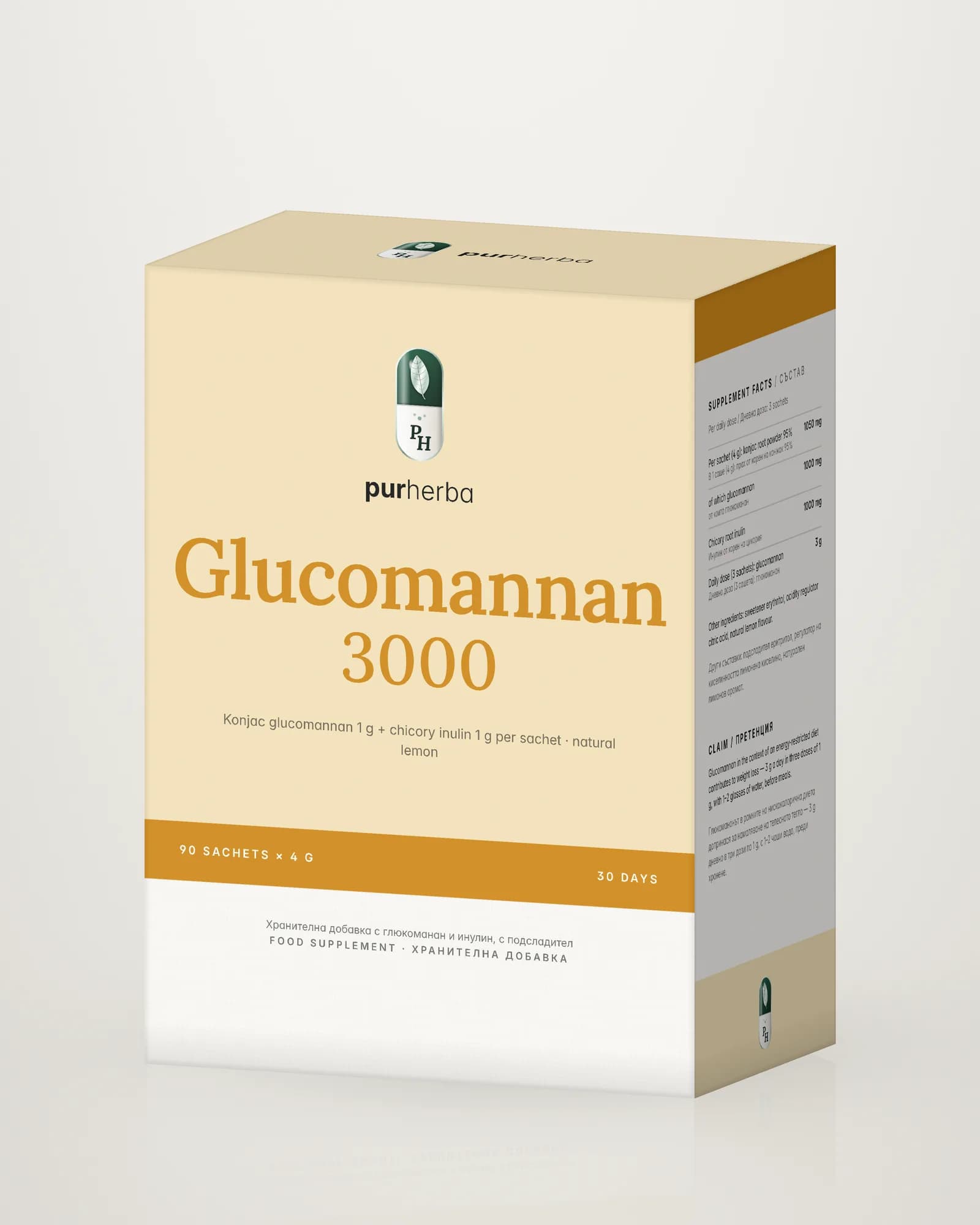
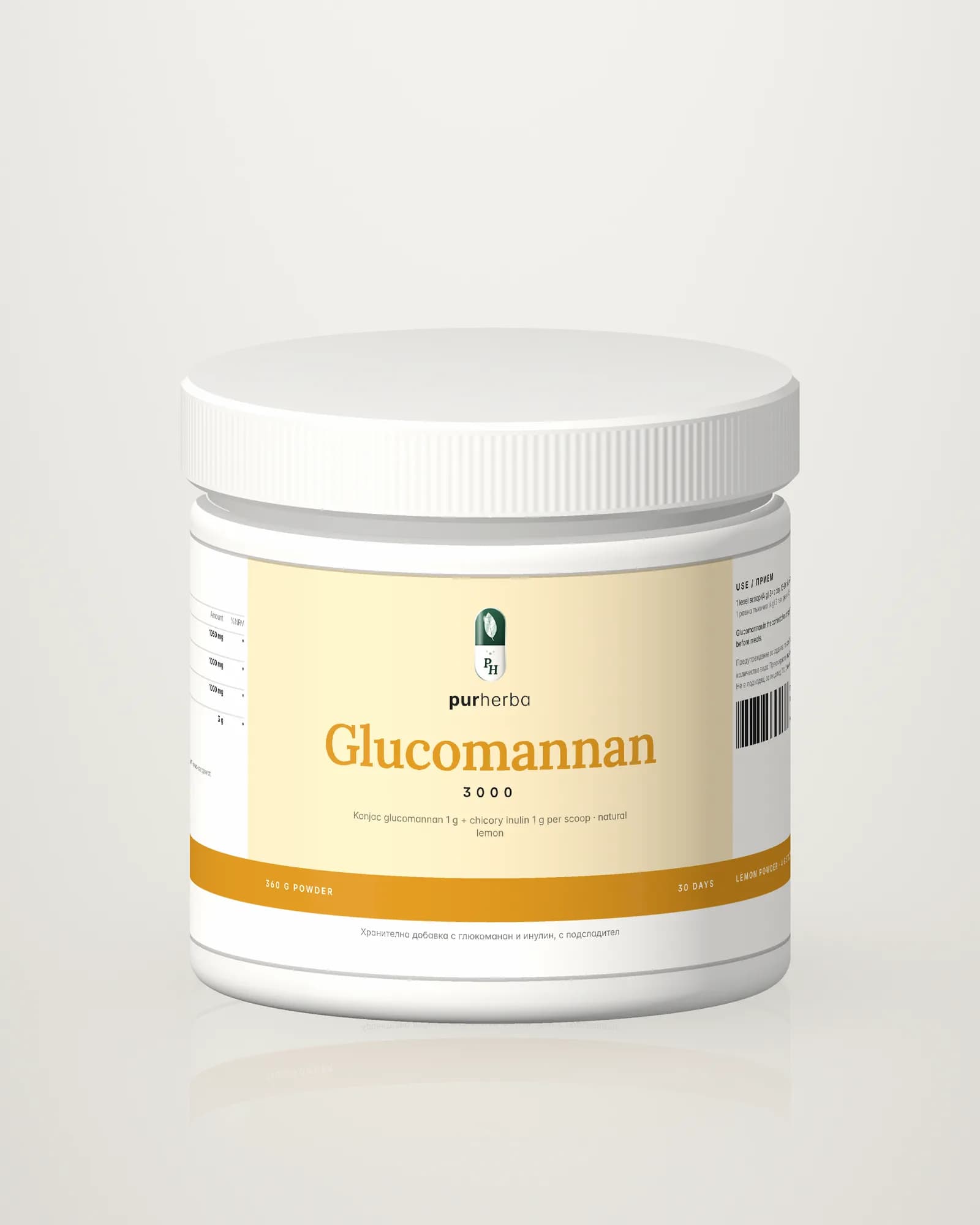
Found in:Glucomannan 3000Glucomannan 3000 Powder
What "degree of polymerisation" means
Inulin is a chain of fructose units joined by β(2→1) bonds, usually ending in a single glucose molecule. The number of units is called the degree of polymerisation (DP). In plant inulin it ranges from 2 to 60.
The length of the chain determines the properties. Short chains (oligofructose) are roughly one third as sweet as sugar. Long chains have almost no taste and give a creamy texture. Native chicory inulin is the natural mixture of the two, with an average length of around 9 or more units, which is why it has a soft, barely perceptible sweetness.
How it is made
The roots are washed and cut into thin slices. The inulin is extracted with hot water, the solution is purified and clarified, including with activated carbon, and finally dried to a fine white powder. In principle this is the same method with which the German pharmacist Valentin Rose first isolated inulin in 1804, using boiling water on the roots of elecampane (Inula helenium), which is where the name comes from.
Why the certificate of analysis matters
A good inulin is a white powder with no odour. The certificate of analysis confirms the inulin content, moisture, heavy metals and microbiological purity. The certificate for each of our batches is on the product page and behind the QR code on the pack.
Chicory: the plant
Common chicory is a member of the daisy family (Asteraceae), with bright light-blue flowers and a long, thick, spindle-shaped root. It originates from the Mediterranean and western Asia, and today grows wild across the temperate zone of Europe, south-west Asia and North Africa.
Chicory was already used in ancient Egypt, Greece and Rome. Its roasted root has been a coffee substitute since the 16th century: roasting turns the inulin into fructose and caramel, which give "chicory coffee" its dark colour and slight bitterness.
Inulin in Glucomannan 3000
One serving of Glucomannan 3000 contains 1,000 mg of chicory root inulin together with 1,000 mg of konjac glucomannan. The two fibres complement each other: the inulin softens the taste and texture of the drink, while erythritol, citric acid and natural lemon flavour give it a fresh taste. Three servings a day provide 3 g of inulin.
How to take it
- 1 sachet or 1 measuring scoop (4 g), stirred into 250 ml of water; drink it straight away and follow it with another glass of water.
- 3 times a day, 15–30 minutes before the main meals.
- Choking hazard: take with plenty of water. Not suitable for people who have difficulty swallowing.
- Excessive consumption may have a laxative effect.
- Not suitable for people under 18, or for pregnant or breastfeeding women.
Sources
- 1.Salvi SS, Dabade A, Pai N, Sonawane SK (2026). Inulin: functional ingredients in food industry, extraction, and health applications — a comprehensive review. Explor Foods Foodomics 4:1010188
- 2.Janda K, Gutowska I, Geszke-Moritz M, Jakubczyk K (2021). The Common Cichory (Cichorium intybus L.) as a Source of Extracts with Health-Promoting Properties — A Review. Molecules 26:1814
- 3.EFSA NDA Panel (2015). Scientific Opinion on the substantiation of a health claim related to 'native chicory inulin' and maintenance of normal defecation by increasing stool frequency. EFSA Journal 13(1):3951
- 4.Wikipedia (EN). Inulin
- 5.Deutsche Biographie. Rose, Valentin (der Jüngere), 1762–1807
- 6.Photo: “Common chicory, blue daisy (ENG).jpg”, Bigmanbaloo, CC BY-SA 4.0, Wikimedia Commons