Green tea extract (EGCG): how to choose it and how to take it
What “decaffeinated extract with ≥90% EGCG” means, how it is measured, why the dose is 300 mg of EGCG a day with food and what the certificate of analysis should show.
October 11, 2026
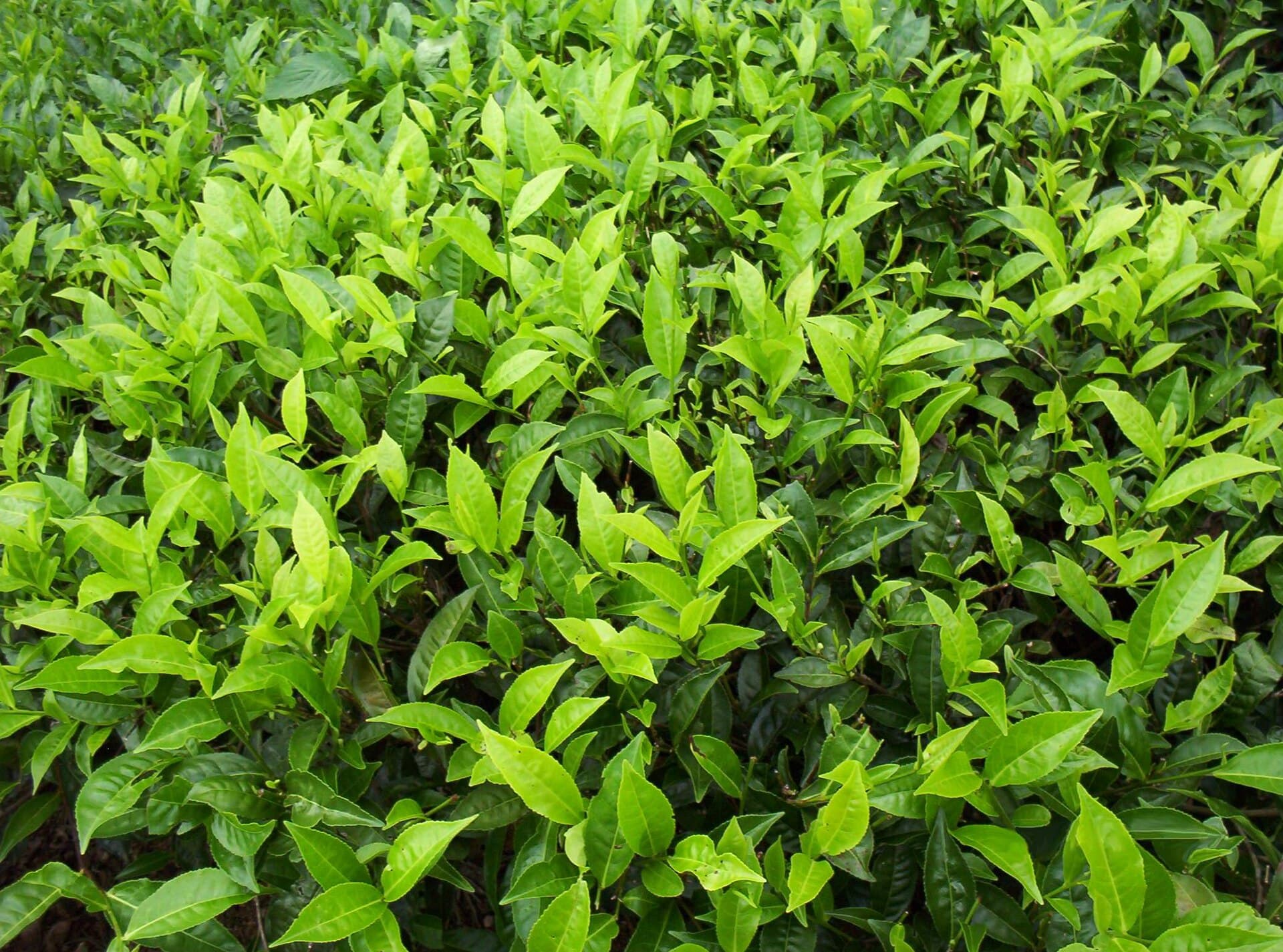
Green tea is one of the oldest drinks in the world, and EGCG is the most characteristic compound in its leaves. In supplements, however, “green tea extract” can mean many very different things. Here is how to choose a good one, and why.
How to choose
- A stated percentage of EGCG — ≥90% is a high, almost pure concentration.
- Caffeine-free — so that you get the EGCG without the caffeine of the tea.
- The amount of EGCG in mg per day — 300 mg is a moderate daily dose.
- Clear directions for use — with food, divided into portions through the day.
- A certificate of analysis — EGCG, residual caffeine, heavy metals, microbiology.
Why? Read on.
What “≥90% EGCG” means
Catechins make up about 25–35% of the dry weight of green tea leaves, and EGCG is 50–80% of them. In a crude extract, EGCG is usually below 10%. To reach 90%, the extract is purified through columns of resin and polyamide and finally crystallised — under laboratory conditions this achieves a purity of over 95%.
The percentage is measured by high-performance liquid chromatography (HPLC): the sample passes through a column, each catechin emerges at a different time and is measured separately. That is why “90% EGCG” means exactly EGCG. Beware of the difference from “90% polyphenols” — polyphenols are the whole group of compounds, and EGCG is only one of them.
At ≥90% EGCG the sum is simple: 335 mg of extract gives at least 300 mg of EGCG.
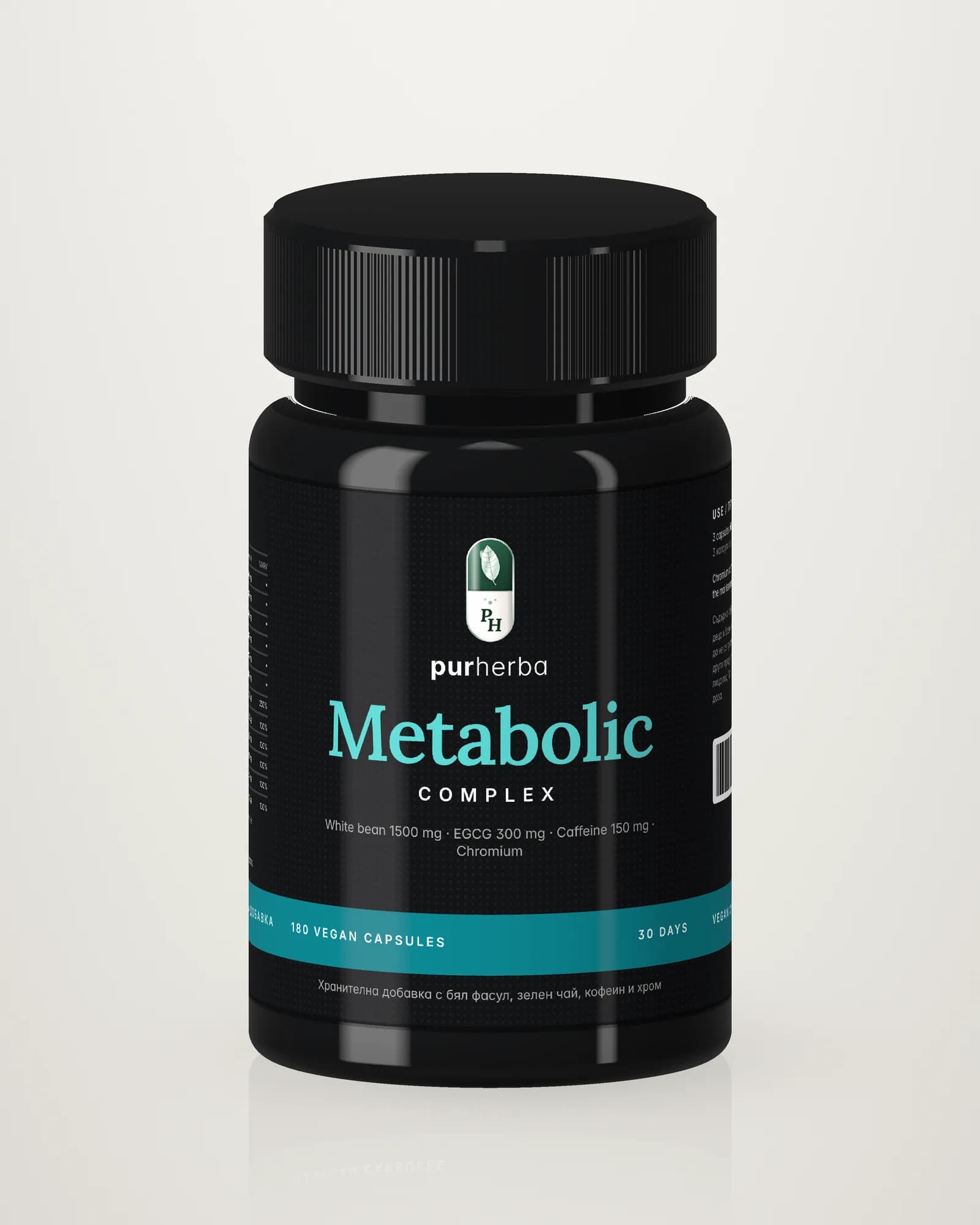
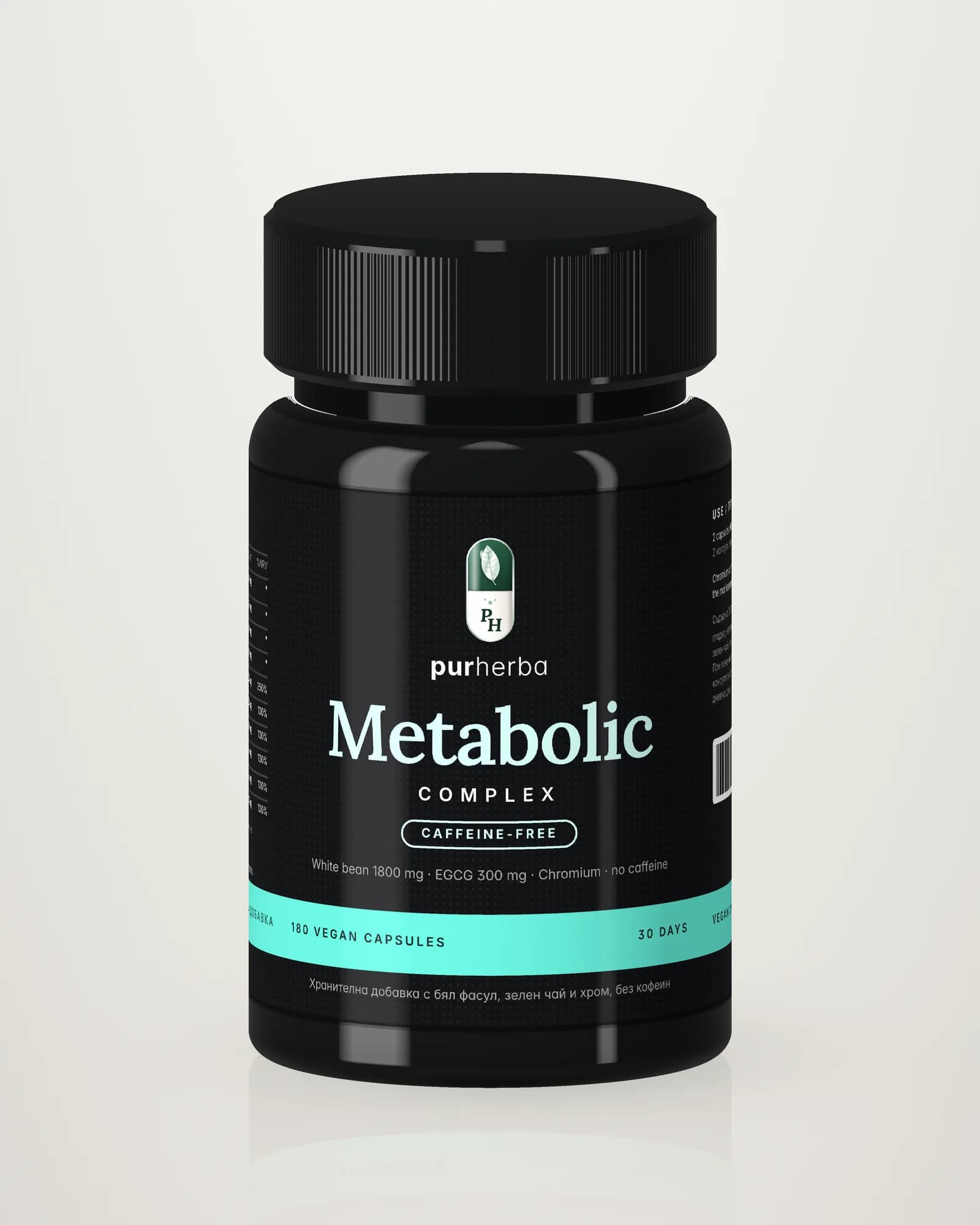
Found in:Metabolic ComplexMetabolic Complex Caffeine-Free
Why caffeine-free
Tea leaves also contain caffeine. In a decaffeinated extract it is removed — with supercritical carbon dioxide, or during purification through resins, where caffeine and catechins are held back differently and come out separately. Good technology removes the caffeine while keeping as much EGCG as possible.
The benefit is that caffeine can be dosed separately and precisely: in Metabolic Complex, 150 mg of natural caffeine from green coffee is declared separately on the label, and in the caffeine-free version there is none at all.
Found in:Metabolic ComplexMetabolic Complex Caffeine-Free
Why 300 mg of EGCG with food
Regular green tea drinkers in Europe get on average between 90 and 300 mg of EGCG a day from the cup. Our daily dose is 300 mg — far below the 800 mg that EFSA uses as a reference point for supplements. It is divided into two or three servings and is always taken with food.
The certificate of analysis
A good certificate shows the EGCG by HPLC, the residual caffeine, the heavy metals, the residual solvents and pesticides and the microbiological purity. The certificate of analysis for each of our batches is on the product page and behind the QR code on the packaging.
The plant
Tea is made from the leaves of Camellia sinensis, of the tea family (Theaceae). There are two main varieties: the Chinese (var. sinensis) — a cold-hardy shrub with small leaves, and the Assam (var. assamica) — a tree or small tree with large leaves. China has the longest history of tea cultivation and the oldest written literature about it, and tea became popular as a drink during the Tang dynasty (618–907).
Green and black tea come from the same plant. The difference lies in the processing: for black tea the leaves are left to ferment and the catechins are converted into the red-brown theaflavins and thearubigins. For green tea this does not happen — which is why it keeps its catechins.
Catechins and EGCG
Catechins are flavan-3-ols — a group of plant polyphenols. The main ones in tea are epicatechin, epigallocatechin, epicatechin gallate and epigallocatechin gallate (EGCG) — the most abundant. “Gallate” in the name means that gallic acid is attached to the molecule.
Pure EGCG is a white to pale pink, odourless powder that dissolves in water. It is sensitive to oxidation by air and in alkaline conditions — so good raw material is stored sealed, dry and in the dark.
Green tea in Metabolic Complex
Both versions of Metabolic Complex contain 335 mg of decaffeinated green tea leaf extract with ≥90% EGCG — 300 mg of EGCG a day. The authorised health claims for the formula come from the minerals in it — for example from chromium (100 µg, 250% NRV):
- Chromium contributes to normal macronutrient metabolism.
- Chromium contributes to the maintenance of normal blood glucose levels.
How to take it
- Metabolic Complex: 3 capsules with breakfast and 3 with lunch, not in the evening. Contains caffeine (150 mg a day) — not recommended for children and pregnant women.
- Metabolic Complex caffeine-free: 2 capsules with each of the three meals.
Contains 300 mg of EGCG a day — do not take on an empty stomach or on the same day as other green tea products. Not suitable for pregnant or breastfeeding women or for anyone under 18.
Sources
- 1.EFSA ANS Panel, Younes M, Aggett P, et al. (2018). Scientific opinion on the safety of green tea catechins. EFSA Journal 16(4):5239
- 2.Abudureheman B, Yu X, Fang D, Zhang H (2022). Enzymatic Oxidation of Tea Catechins and Its Mechanism. Molecules 27(3):942
- 3.Capasso L, De Masi L, Sirignano C, et al. (2025). Epigallocatechin Gallate (EGCG): Pharmacological Properties, Biological Activities and Therapeutic Potential. Molecules 30(3):654
- 4.Jin X, Liu M, Chen Z, et al. (2015). Separation and purification of epigallocatechin-3-gallate (EGCG) from green tea using combined macroporous resin and polyamide column chromatography. J Chromatogr B 1002:113–122
- 5.Park HS, Lee HJ, Shin MH, et al. (2007). Effects of cosolvents on the decaffeination of green tea by supercritical carbon dioxide. Food Chemistry 105(3):1011–1017
- 6.ISO 14502-2:2005. Determination of substances characteristic of green and black tea — Part 2: Content of catechins in green tea — Method using high-performance liquid chromatography
- 7.Wang X, Feng H, Chang Y, et al. (2020). Population sequencing enhances understanding of tea plant evolution. Nature Communications 11:4447
- 8.Регламент (ЕС) № 432/2012 на Комисията (консолидиран текст към 17.05.2021) — списък на разрешените здравни претенции, вписвания за хром
- 9.Photo: “Badulla tea.jpg”, Chamara Ratnaweera, Public domain, Wikimedia Commons