Iodine: how to choose it and how to take it
Why potassium iodide gives an exact dose and seaweed does not, why 150 µg a day is the right amount, where the iodine in food comes from and what it does according to the EU-authorised claims.
October 11, 2026
Iodine is needed in tiny amounts, millionths of a gram a day. That is exactly why form and exact dose matter most with it. Here is how to choose, and why.
How to choose
- A precisely defined form, potassium iodide, rather than seaweed with a variable content.
- A dose of 150 µg a day, which is 100% of the NRV.
- The amount of iodine in micrograms on the label, not just "seaweed extract".
- Think about your diet: iodised salt, sea fish, eggs and dairy products also provide iodine.
- A certificate of analysis for the batch.
Why? Read on.
Potassium iodide or seaweed
Potassium iodide is a simple salt with a constant composition: about 76% of its weight is iodine. That is why 150 µg of iodine is about 196 µg of potassium iodide, an amount that can be dosed precisely into every capsule. The body absorbs about 96% of the iodine in potassium iodide (NIH ODS).
Kelp and other brown seaweeds also contain iodine, but the amount depends on the species, the place and time of harvest, and the processing. In one sample the content varied from 16 to 2,984 µg per gram, almost 200-fold. A study of seaweed products found between 5 and 5,600 µg of iodine in the daily dose of the supplements, and inaccurately declared content in some of them (Aakre et al., 2021). A defined form gives you what the label says.
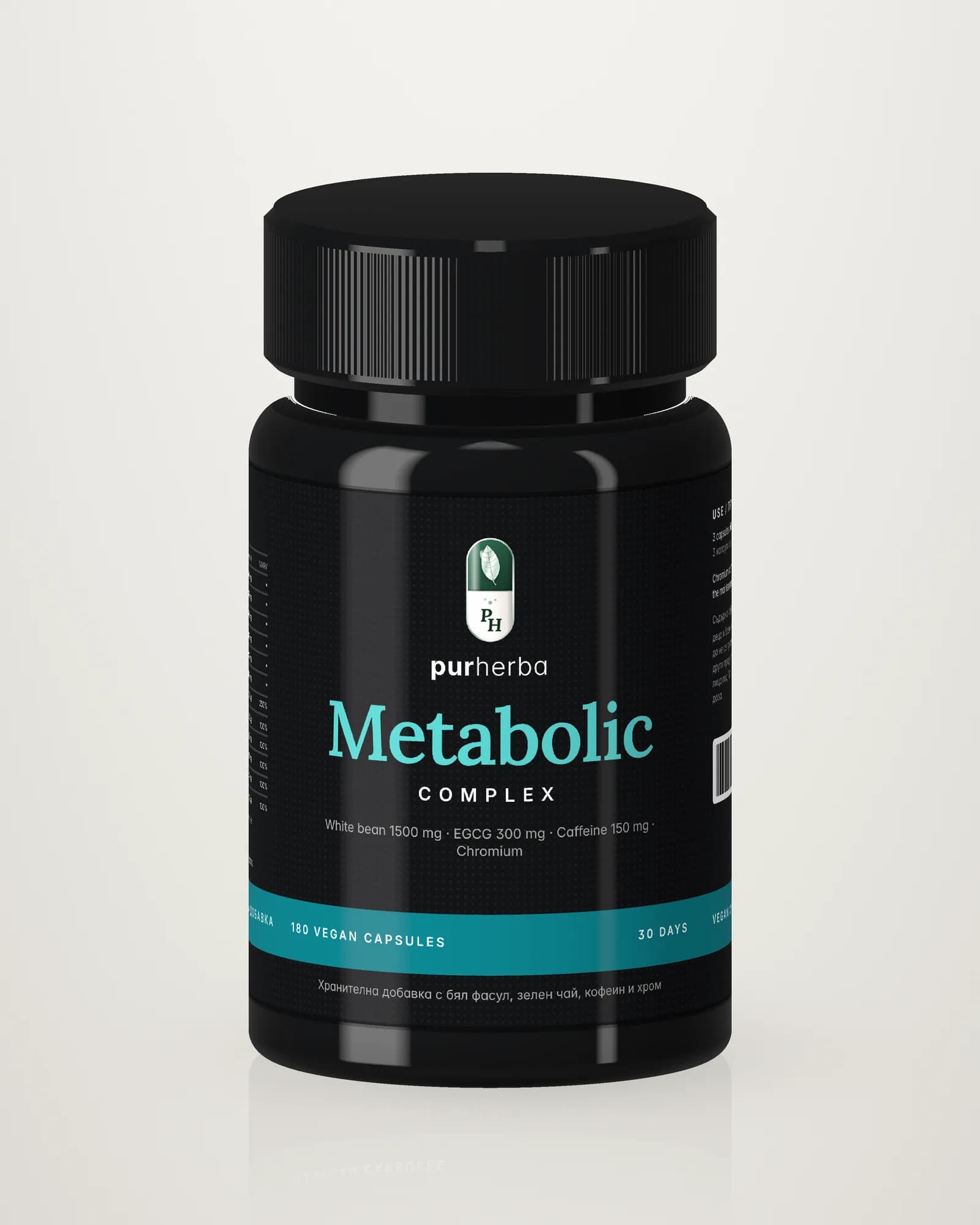
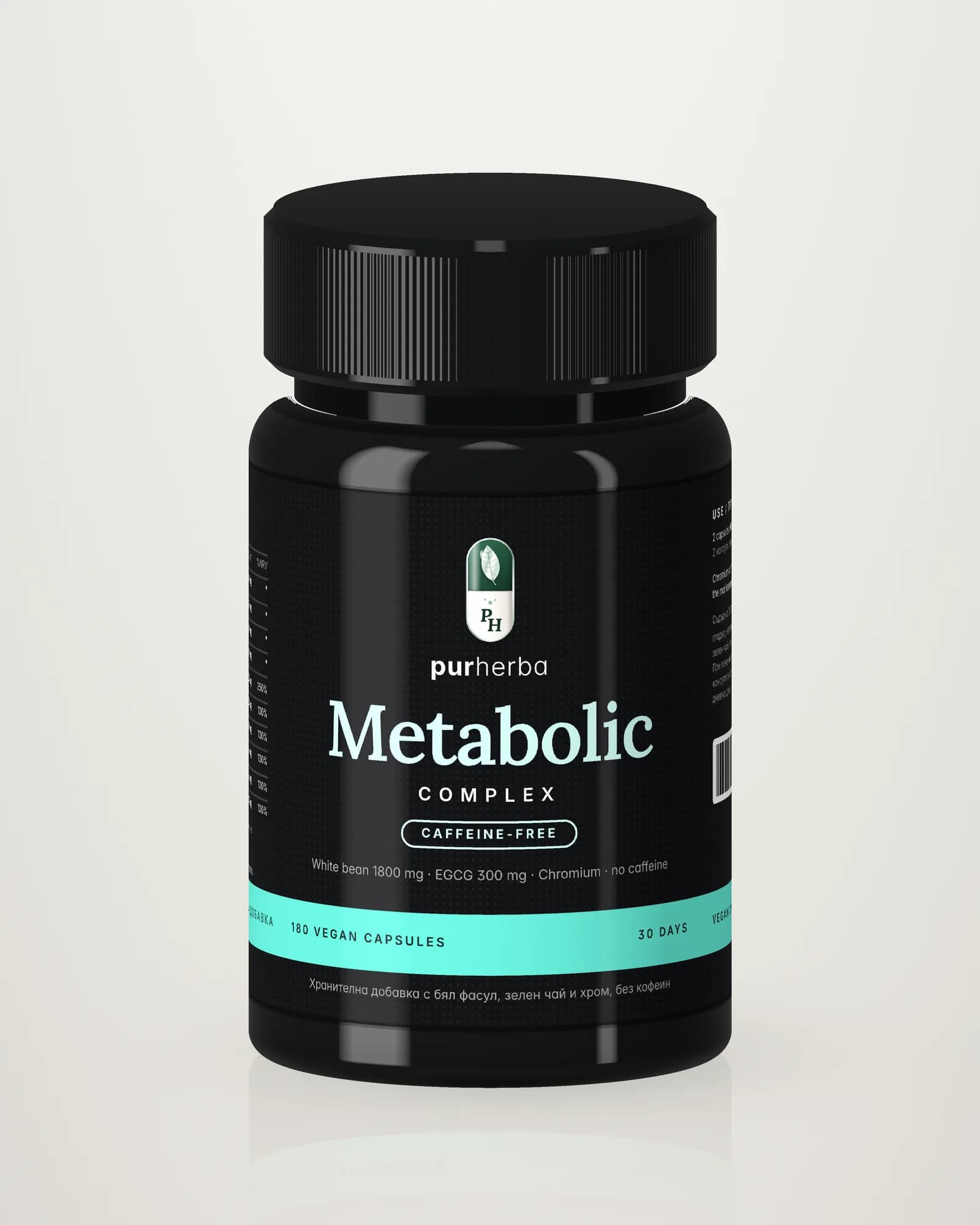
Found in:Metabolic ComplexMetabolic Complex Caffeine-Free
Why 150 µg
The nutrient reference value on labels (NRV) for iodine is 150 µg, the amount at which the authorised claims apply. EFSA sets 600 µg a day as the upper limit for total intake in adults, so 150 µg from a supplement is a moderate, exact dose with a wide margin.
Why iodine is often lacking
The amount of iodine in food depends on the soil, and in mountain regions and river valleys the soils are often poor in iodine. Fruit and vegetables contain little iodine; good sources are sea fish and seafood, eggs and dairy products.
That is why cooking salt is iodised in many countries, in the United States since 1924. The salt in ready-made foods, however, is usually not iodised, and neither are most sea and "speciality" salts. Anyone who cooks with them or avoids salt gets less iodine from food.
Why the certificate matters
With doses in micrograms, accuracy is everything. The certificate of analysis confirms the content, heavy metals and microbiology. The certificate for each of our batches is on the product page and behind the QR code on the pack.
What iodine does
According to the health claims authorised in the EU (Regulation (EU) No 432/2012), iodine:
- contributes to the normal production of thyroid hormones and normal thyroid function;
- contributes to normal energy-yielding metabolism;
- contributes to normal cognitive function;
- contributes to the normal functioning of the nervous system;
- contributes to the maintenance of normal skin.
A discovery from seaweed and gunpowder
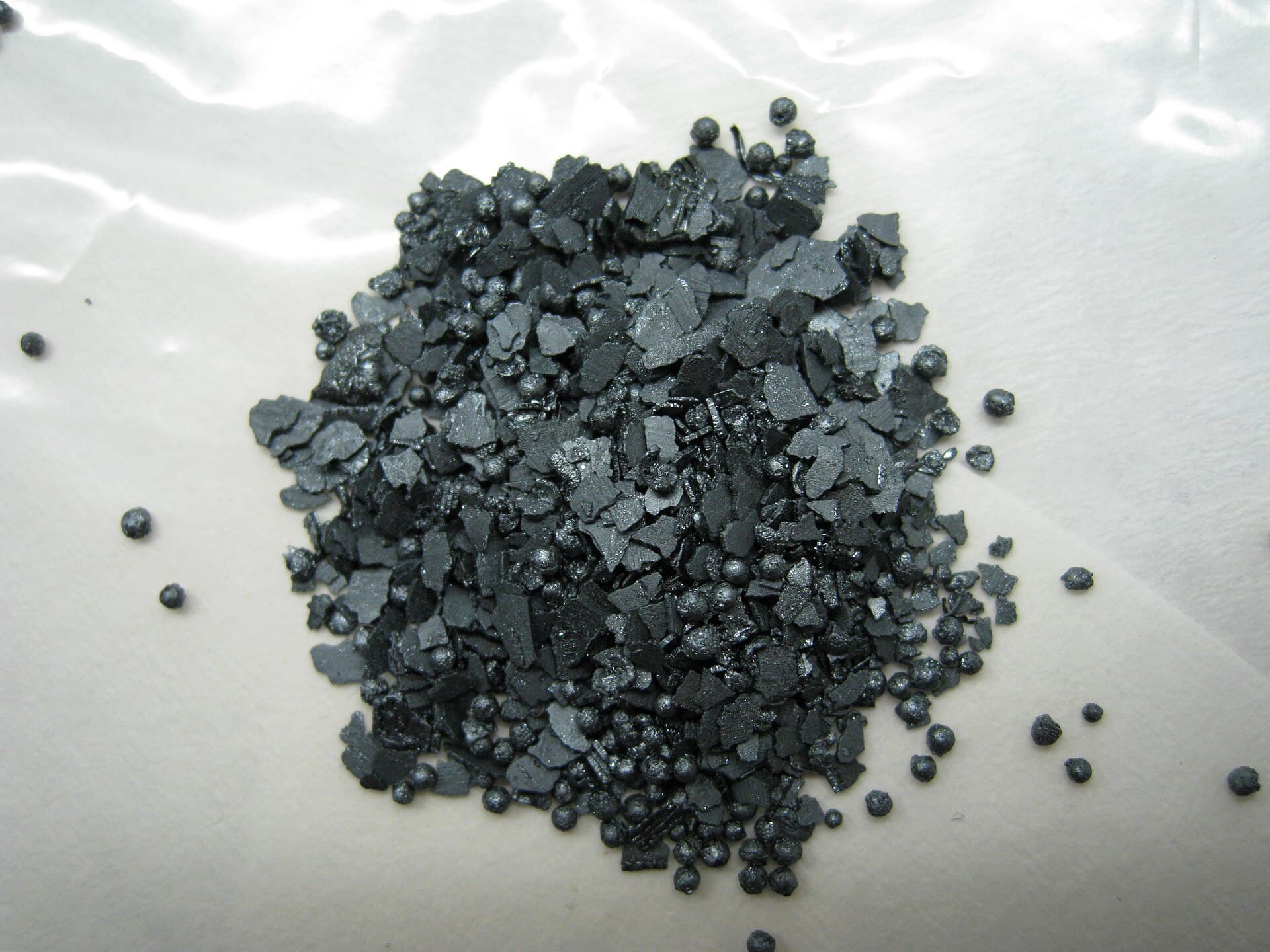
In 1811 the French chemist Bernard Courtois was making saltpetre, a raw material for gunpowder, from seaweed ash. One day he added more sulphuric acid, and a violet vapour rose above the vessel and settled as dark crystals: a new element. Joseph Gay-Lussac named it iodine, from the Greek iodes, "violet".
A century later, in 1914, Edward Kendall isolated thyroxine, the thyroid hormone in whose molecule iodine is a building block.
Iodine in Metabolic Complex
Metabolic Complex contains 150 µg of iodine as potassium iodide, 100% of the NRV, together with zinc, chromium, niacin and vitamins B6 and B12. The caffeine-free version contains the same amount.
How to take it
- Metabolic Complex: 3 capsules with breakfast and 3 with lunch, not in the evening. Contains caffeine (150 mg a day) and is not recommended for children or pregnant women.
- Metabolic Complex caffeine-free: 2 capsules with each of the three meals.
- Both versions contain 300 mg of EGCG a day: do not take on an empty stomach or on the same day as other green tea products. Not suitable for pregnant or breastfeeding women, or for people under 18.
Sources
- 1.NIH Office of Dietary Supplements. Iodine — Fact Sheet for Health Professionals
- 2.Aakre I et al. (2021). Commercially available kelp and seaweed products – valuable iodine source or risk of excess intake? Food Nutr Res 65:7584
- 3.Connelly KJ, Park JJ, LaFranchi SH (2022). History of the Thyroid. Horm Res Paediatr 95(6):546–556
- 4.Encyclopaedia Britannica. Bernard Courtois
- 5.EFSA (2024). Overview on Tolerable Upper Intake Levels as derived by the SCF and the EFSA NDA Panel (UL summary report)
- 6.Регламент (ЕС) № 432/2012 на Комисията от 16 май 2012 г. за създаване на списък на разрешените здравни претенции за храни. ОВ L 136, 25.5.2012, с. 1–40 (български текст)
- 7.Photo: “IIod.JPG”, Dnn87, CC BY 3.0, Wikimedia Commons