R-alpha-lipoic acid: how to choose it and how to take it
The difference between the R form and ordinary alpha-lipoic acid, why the stable form is the sodium salt and how to read “230 mg = 200 mg R-ALA” on the label.
October 11, 2026

Alpha-lipoic acid is a small sulphur-containing molecule that the body knows well — but on labels it appears in several quite different forms. Here is how to choose the right one, and why.
How to choose
- The R form. Look for “R-alpha-lipoic acid” (R-ALA) — the natural form — not just “alpha-lipoic acid”.
- A stabilised form. Sodium R-lipoate is the R form as a salt, which is more stable than the pure acid.
- The amount of R-ALA in milligrams. A good label says how much R-lipoic acid the salt provides, not just how much it weighs.
- A certificate of analysis for the batch — content, heavy metals, microbiology.
- Clean ingredients. A vegetable capsule, with no colourants and no unnecessary fillers.
Why? Read on.
Why the R form
Lipoic acid has two mirror-image forms — R and S. They relate to each other like the left and right hand: the same composition, a different spatial arrangement.
The natural form is R. The body itself makes small amounts of lipoic acid in the mitochondria, from octanoic acid — a fatty acid with eight carbon atoms — and makes only the R form, which it attaches to proteins. The same R form is found in food.
Ordinary “alpha-lipoic acid” in supplements is most often a racemic mixture — 50% R and 50% S. If the label has no “R-”, you are probably holding exactly such a mixture: only half of the amount is the natural form.
Why the sodium salt
Pure R-lipoic acid has one drawback: it tends to polymerise — its molecules link up into chains. That makes it relatively unstable and poorly soluble in water. The researchers who studied it concluded that pure R form is more of a raw material than a ready-to-use ingredient for a product (Carlson et al., 2007).
The solution is the salt. Converted into sodium R-lipoate, R-lipoic acid becomes considerably more stable. That is why, in well-made formulas, the R form comes precisely as sodium R-lipoate.
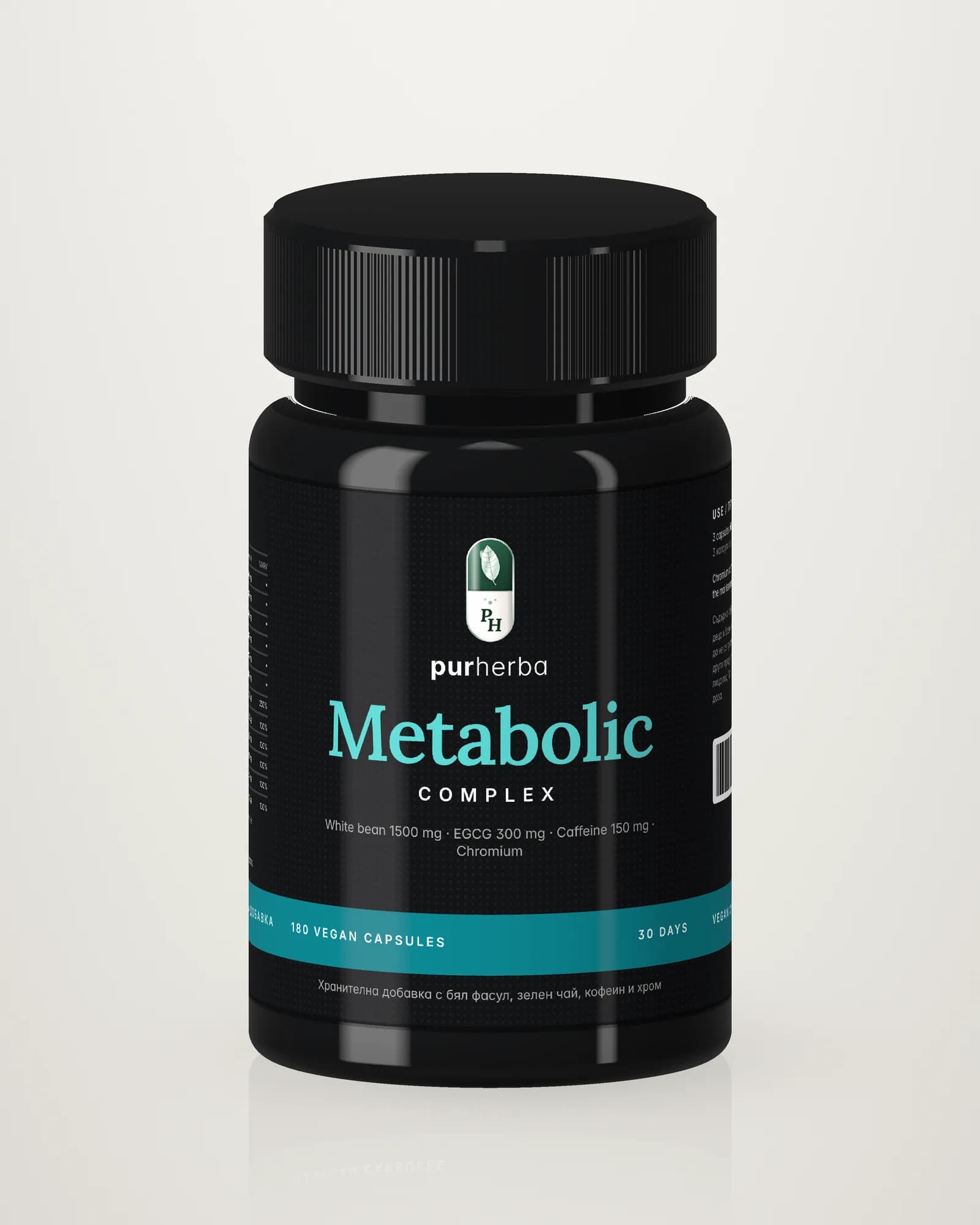
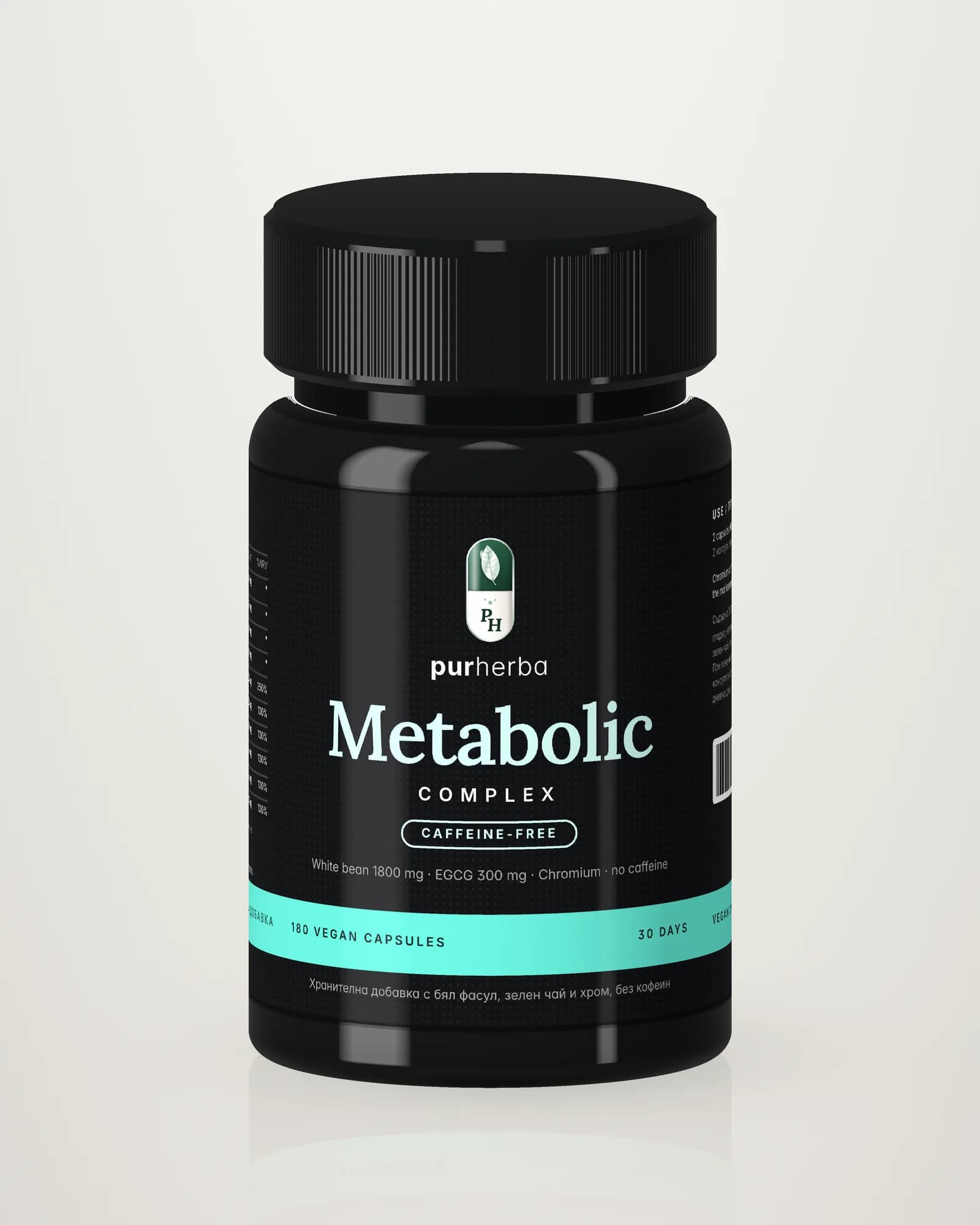
Found in:Metabolic ComplexMetabolic Complex Caffeine-Free
What “230 mg = 200 mg R-ALA” means
The sodium in the salt weighs something too. That is why the label shows two numbers: how much the salt weighs and how much R-lipoic acid it provides. In our formulas, 230 mg of sodium R-lipoate provides 200 mg of R-alpha-lipoic acid.
When comparing products, look at the second number — the amount of R-ALA.
Why the certificate matters
The numbers on the label are only as reliable as the analysis behind them. A good certificate of analysis shows the content of R-lipoic acid, the heavy metals and the microbiology of the specific batch.
The certificate of analysis for each of our batches is on the product page and behind the QR code on the packaging.
Where lipoic acid comes from
In 1949, the biochemist Lester Reed of the University of Texas began looking for an unknown substance in liver. Together with a pharmaceutical company, his team processed about 10 tonnes of liver residue and purified the substance 300,000-fold. In March 1951, Reed obtained the first pale yellow crystals — about 30 mg. He named them α-lipoic acid.
In food, lipoic acid is bound to proteins. The most is found in the kidneys, heart and liver, and among vegetables in spinach and broccoli. The amounts, however, are measured in micrograms per gram, which is why supplements use free, purified lipoic acid.
R-lipoic acid in Metabolic Complex
Both versions of Metabolic Complex contain 230 mg of sodium R-lipoate — 200 mg of R-alpha-lipoic acid per daily dose — together with white bean extract, decaffeinated green tea EGCG, chromium, iodine, zinc, niacin and vitamins B6 and B12 in active forms. The caffeinated version also contains natural caffeine with L-theanine.
The claims authorised in the EU for the formula come from the minerals and vitamins in it: chromium contributes to the maintenance of normal blood glucose levels and to normal macronutrient metabolism, while iodine and niacin contribute to normal energy-yielding metabolism.
How to take it
- Metabolic Complex: 3 capsules with breakfast and 3 with lunch, with water. Not in the evening.
- Metabolic Complex caffeine-free: 2 capsules with each of the three main meals.
The products are not suitable for pregnant or breastfeeding women or for anyone under 18. They contain 300 mg of EGCG per daily dose — do not take on an empty stomach or on a day when other green tea products are taken. The caffeinated version contains 150 mg of caffeine per daily dose and is not recommended for children and pregnant women. If you are being treated for blood sugar or thyroid problems, consult a doctor.
Sources
- 1.Carlson DA, Smith AR, Fischer SJ, Young KL, Packer L (2007). The plasma pharmacokinetics of R-(+)-lipoic acid administered as sodium R-(+)-lipoate to healthy human subjects. Altern Med Rev 12(4):343-351
- 2.Higdon J, Delage B, Hagen TM (2002, upd. 2018). Lipoic Acid. Micronutrient Information Center, Linus Pauling Institute, Oregon State University
- 3.Hackert ML (2024). Lester J. Reed (1925–2023). Biographical Memoirs, National Academy of Sciences
- 4.Регламент (ЕС) № 432/2012 на Комисията за създаване на списък на разрешените здравни претенции (консолидиран текст, BG и EN)
- 5.Photo: “Lipoová kyselina.jpg”, Milda 444, CC BY-SA 4.0, Wikimedia Commons