Vitamin C: how to choose it and how to take it
L-ascorbic acid or ascorbate, "natural" or synthetic, how many milligrams are enough and why vitamin C belongs alongside collagen: everything that helps you choose a good product.
October 11, 2026
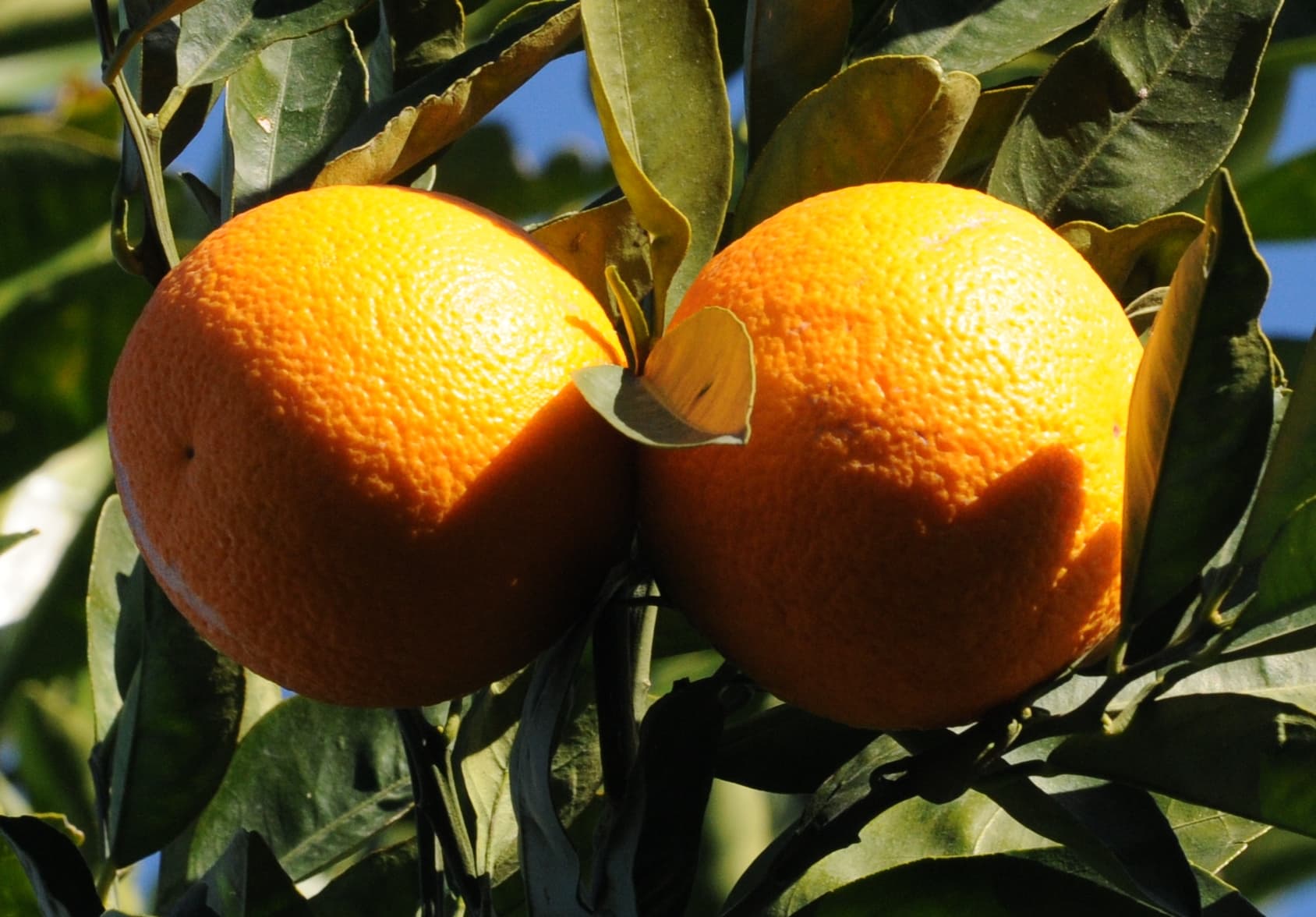
Vitamin C is perhaps the best-known vitamin, and one of the easiest to choose if you know what to look for.
How to choose
- L-ascorbic acid: the most studied form; ascorbates are a gentler option for a sensitive stomach.
- "Natural" or synthetic: the molecule is the same, so compare milligrams.
- 80 mg a day is 100% of the NRV, the amount at which the authorised claims apply.
- A good combination, for example with collagen, to whose normal formation vitamin C contributes.
- A certificate of analysis for the batch.
Why? Read on.
L-ascorbic acid and ascorbates
Vitamin C is L-ascorbic acid, the same one found in fruit and vegetables, and the most common form in supplements.
Ascorbates, sodium or calcium, are the same molecule bound to a mineral. They are less acidic and gentler on the stomach, but the mineral has weight: 1 g of sodium ascorbate provides about 890 mg of ascorbic acid.
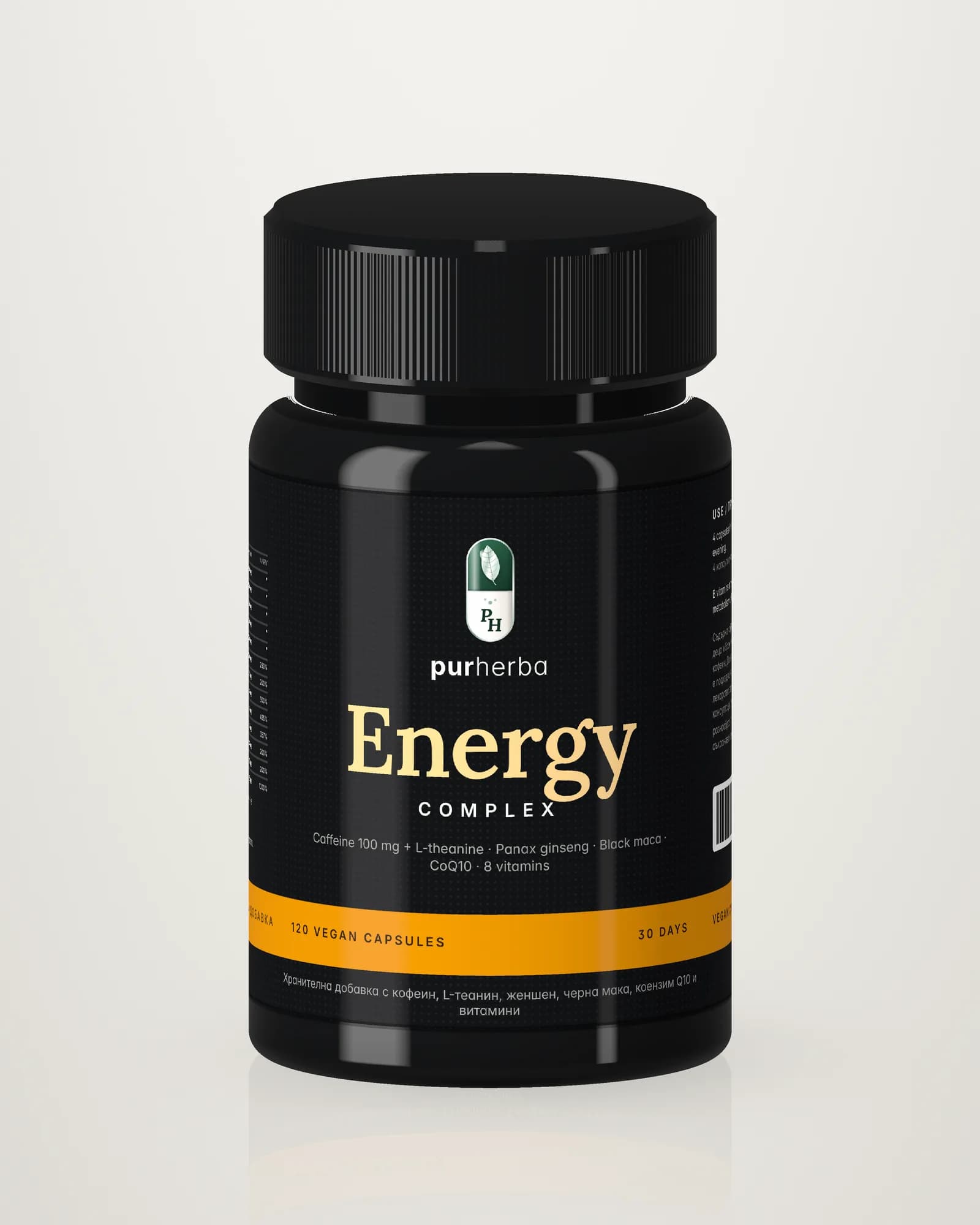
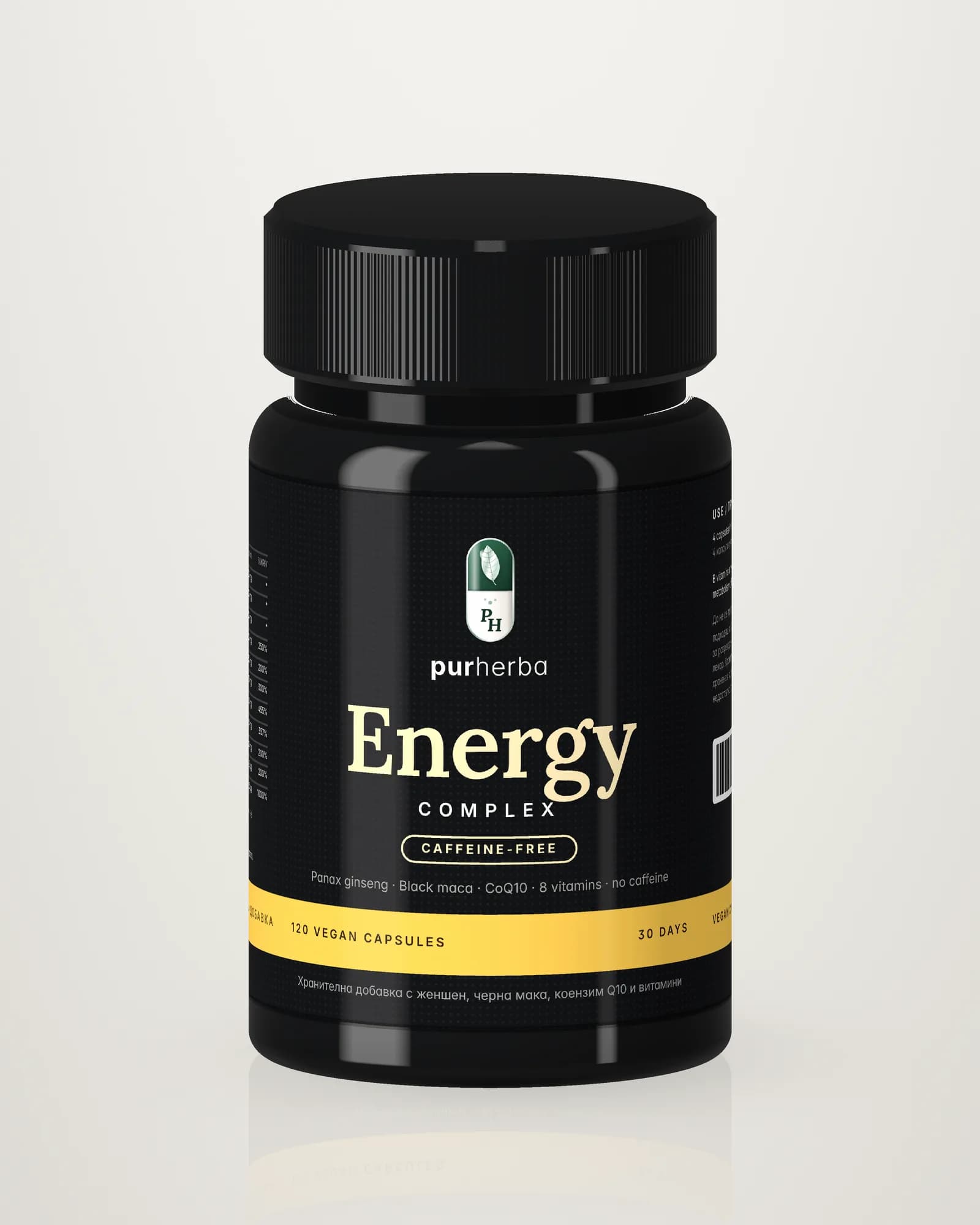
Found in:Energy ComplexEnergy Complex Caffeine-Free
"Natural" or synthetic
Vitamin C from acerola or rosehip and manufactured vitamin C are chemically the same molecule. In a randomised study, 50 mg of synthetic vitamin C and half a kiwifruit with the same amount of vitamin C raised blood and tissue levels equally (Carr et al., 2013). What matters on the label is the milligrams, not the origin.
Why 80 mg
The nutrient reference value on labels (NRV) for vitamin C is 80 mg. At intakes of 30 to 180 mg a day, the body absorbs about 70–90% of it; above 1 g a day, less than 50%, and the excess is excreted. That is why a moderate daily intake is more sensible than an occasional large dose.
The body does not make vitamin C, so it has to come every day: from citrus fruit, peppers, kiwifruit, broccoli, strawberries and tomatoes.
Vitamin C and collagen
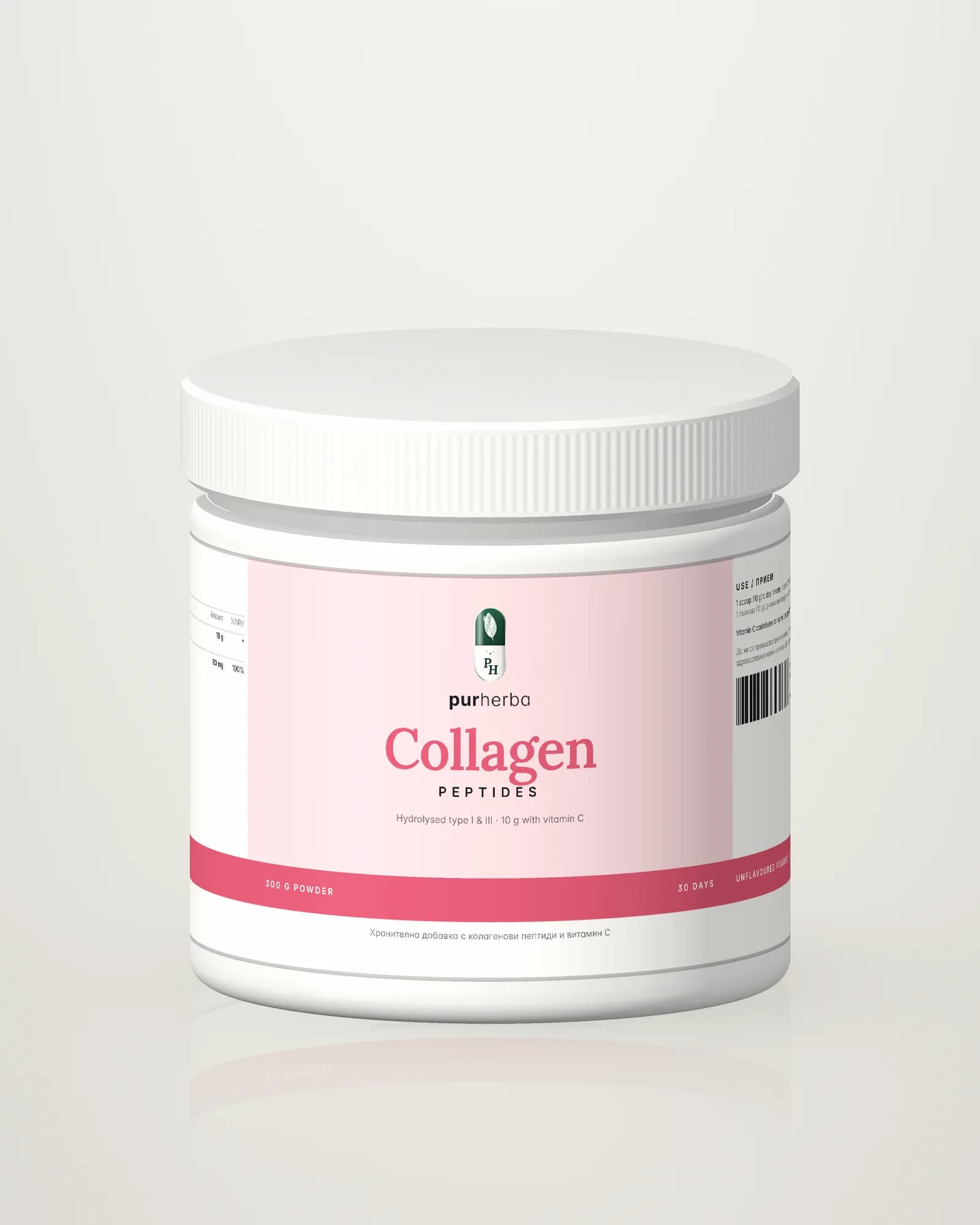
The body cannot build collagen without vitamin C: it is needed by the enzymes that shape the collagen chains. That is why in Collagen Peptides every dose with 10 g of collagen also contains 80 mg of vitamin C, 100% of the NRV.
Found in:Collagen Peptides 10 g
What vitamin C does
According to the health claims authorised in the EU (Regulation (EU) No 432/2012), vitamin C:
- contributes to normal collagen formation for the normal function of the skin;
- contributes to normal collagen formation for the normal function of blood vessels;
- contributes to normal collagen formation for the normal function of gums;
- contributes to normal collagen formation for the normal function of teeth;
- contributes to normal collagen formation for the normal function of bones;
- contributes to normal collagen formation for the normal function of cartilage;
- contributes to the normal function of the immune system;
- contributes to the protection of cells from oxidative stress;
- contributes to the reduction of tiredness and fatigue;
- contributes to normal energy-yielding metabolism;
- contributes to the normal functioning of the nervous system;
- contributes to normal psychological function;
- contributes to the regeneration of the reduced form of vitamin E;
- increases iron absorption.
Why the certificate matters
The certificate of analysis confirms the vitamin C content, heavy metals and microbiology. The certificate for each of our batches is on the product page and behind the QR code on the pack.
From scurvy to the Nobel Prize
Scurvy was the scourge of sailors for centuries. In 1747 the ship's surgeon James Lind divided 12 sick sailors aboard HMS Salisbury into six pairs on different diets, and only the two who were given oranges and lemons recovered quickly.
In 1928 the Hungarian Albert Szent-Györgyi described "hexuronic acid", and in 1932 the experiments of Joseph Svirbely proved that it was vitamin C. Szent-Györgyi found a rich source in Hungarian paprika, and with the British chemist Walter Haworth he gave the substance the name ascorbic acid, "against scurvy". In 1937 Szent-Györgyi received the Nobel Prize in Medicine, and Haworth the one in Chemistry.
Vitamin C in our products
- Collagen Peptides: 80 mg of vitamin C (100% NRV) in a dose with 10 g of collagen.
- Energy Complex: 200 mg of vitamin C (250% NRV). At 200 mg a day the following claim also applies: vitamin C contributes to maintain the normal function of the immune system during and after intense physical exercise. The beneficial effect is obtained with an additional intake of 200 mg in addition to the recommended daily intake of vitamin C.
How to take it
- Collagen Peptides: 1 measuring scoop (10 g) a day, stirred into water, juice, coffee or yoghurt.
- Energy Complex: 4 capsules with breakfast, not in the evening.
Sources
- 1.NIH Office of Dietary Supplements. Vitamin C — Fact Sheet for Health Professionals
- 2.Carr AC, Bozonet SM, Pullar JM, Simcock JW, Vissers MCM (2013). A randomized steady-state bioavailability study of synthetic versus natural (kiwifruit-derived) vitamin C. Nutrients 5(9):3684–3695
- 3.Sutton G (2003). Putrid gums and 'Dead Men's Cloaths': James Lind aboard the Salisbury. J R Soc Med 96:605–608
- 4.Science History Institute. Albert Szent-Györgyi (scientific biography)
- 5.U.S. National Library of Medicine, Profiles in Science. The Albert Szent-Györgyi Papers — Szeged, 1931–1947: Vitamin C, Muscles, and WWII
- 6.Nobel Prize Outreach. Albert Szent-Györgyi — Facts (Nobel Prize in Physiology or Medicine 1937)
- 7.Регламент (ЕС) № 432/2012 на Комисията от 16 май 2012 г. за създаване на списък на разрешените здравни претенции за храни. ОВ L 136, 25.5.2012, с. 1–40 (български текст)
- 8.Photo: “Local Orange Variety of Kozan - Kozan Yerli Portakal 02.jpg”, Zeynel Cebeci, CC BY-SA 3.0, Wikimedia Commons