B vitamins: how to choose them and how to take them
Which are the active forms — P-5-P, methylfolate and methylcobalamin — how to read the doses and the % NRV, and what the EU-authorised claims say for each vitamin.
October 11, 2026
The B vitamins are a family of water-soluble vitamins that often go together — but on the label they look very different. Here is what to look for, and why.
How to choose
- Active forms: B6 as pyridoxal-5'-phosphate (P-5-P), folate as L-5-methyltetrahydrofolate, B12 as methylcobalamin.
- The amount of each vitamin in mg or µg — and the percentage of the NRV.
- At least 15% of the NRV for each vitamin — from this dose upwards the EU-authorised claims apply.
- A certificate of analysis for the batch.
- Clean ingredients. A vegetable capsule, with no colourants and no unnecessary fillers.
Why? Read on.
Why active forms
Vitamin B6 is the collective name for six related compounds. Pyridoxal-5'-phosphate (P-5-P) is one of its two coenzyme forms — B6 in the form in which the body uses it in over 100 enzyme reactions.
Folic acid is a synthetic form of folate: on its own it has no coenzyme activity, and cells must first convert it. L-5-methyltetrahydrofolate is the main form of folate in food and the form that the blood carries to the tissues (Pietrzik et al., 2010). EFSA has confirmed that folate from calcium L-methylfolate is bioavailable.
Vitamin B12 contains cobalt — which is why its forms are called cobalamins. Methylcobalamin is one of the two metabolically active forms of the vitamin; the most common form in supplements, cyanocobalamin, has to be converted by the body into an active one first.
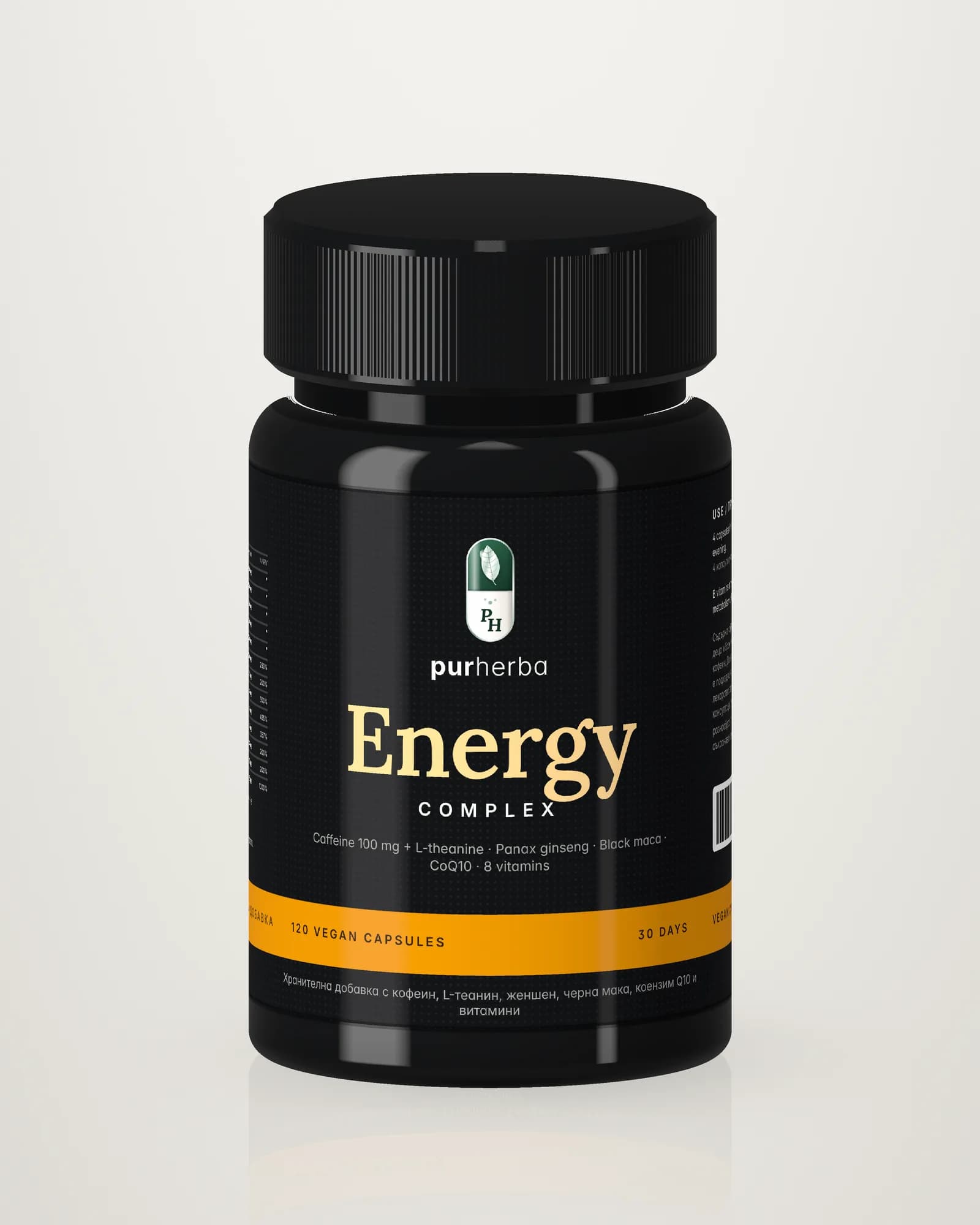
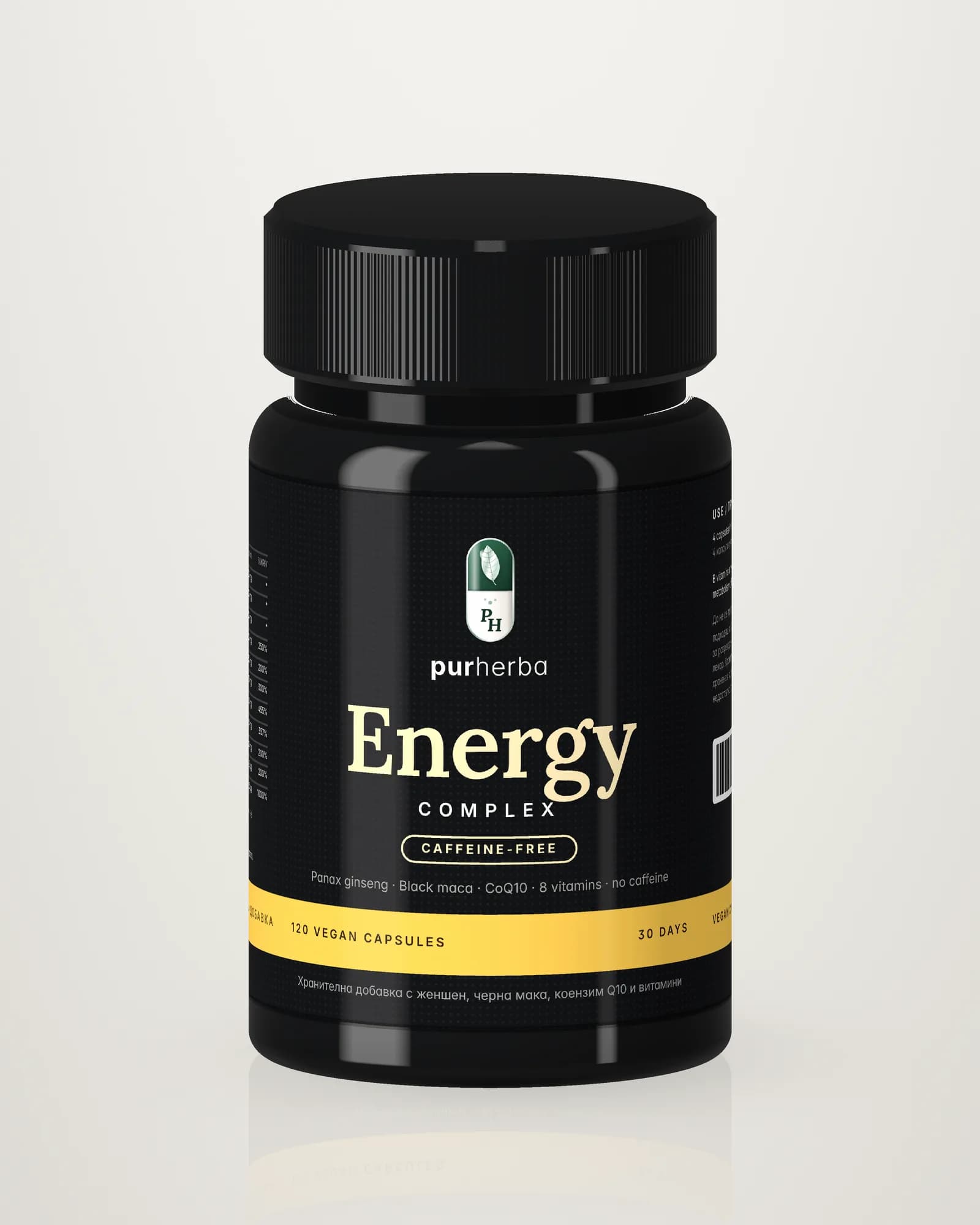
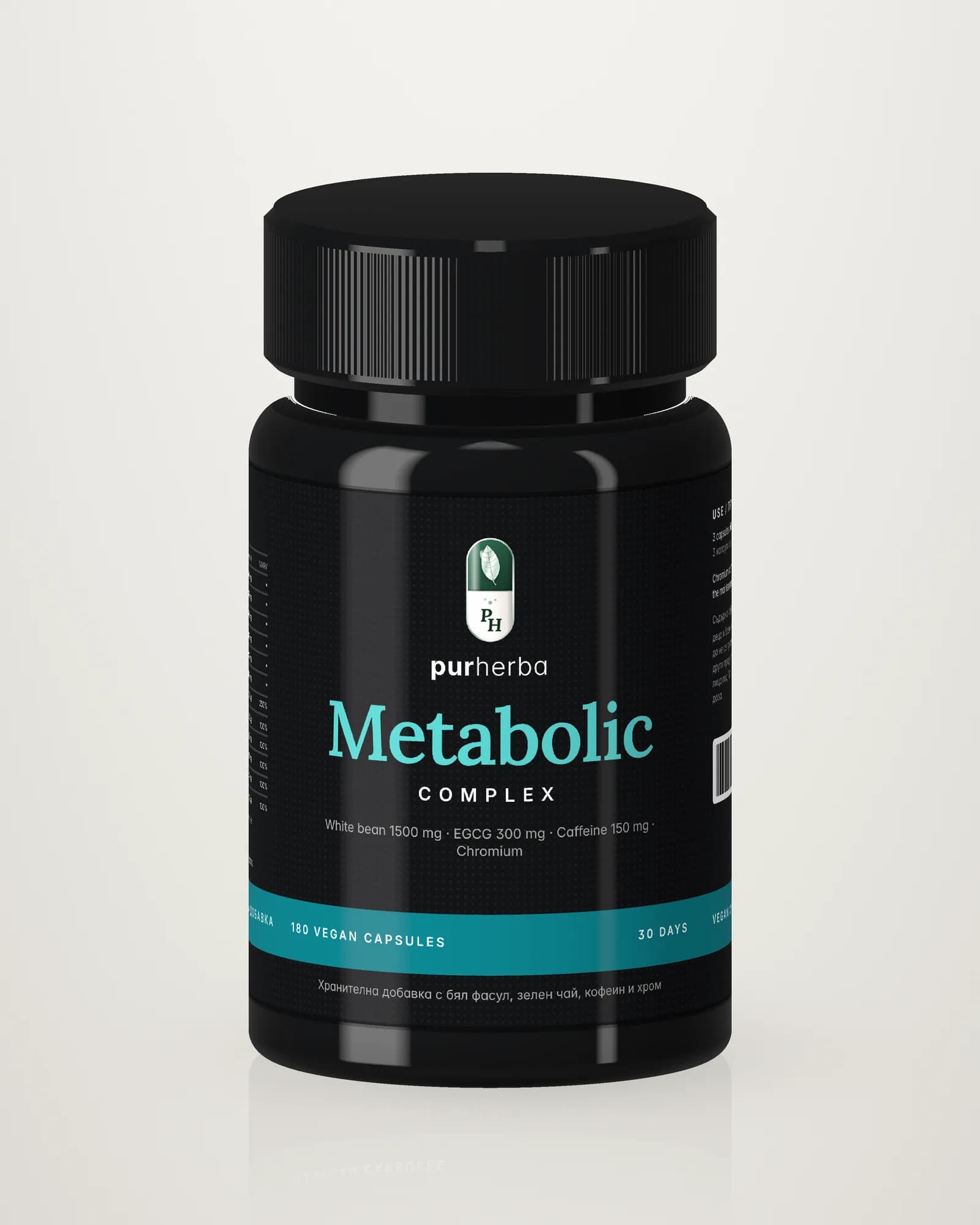
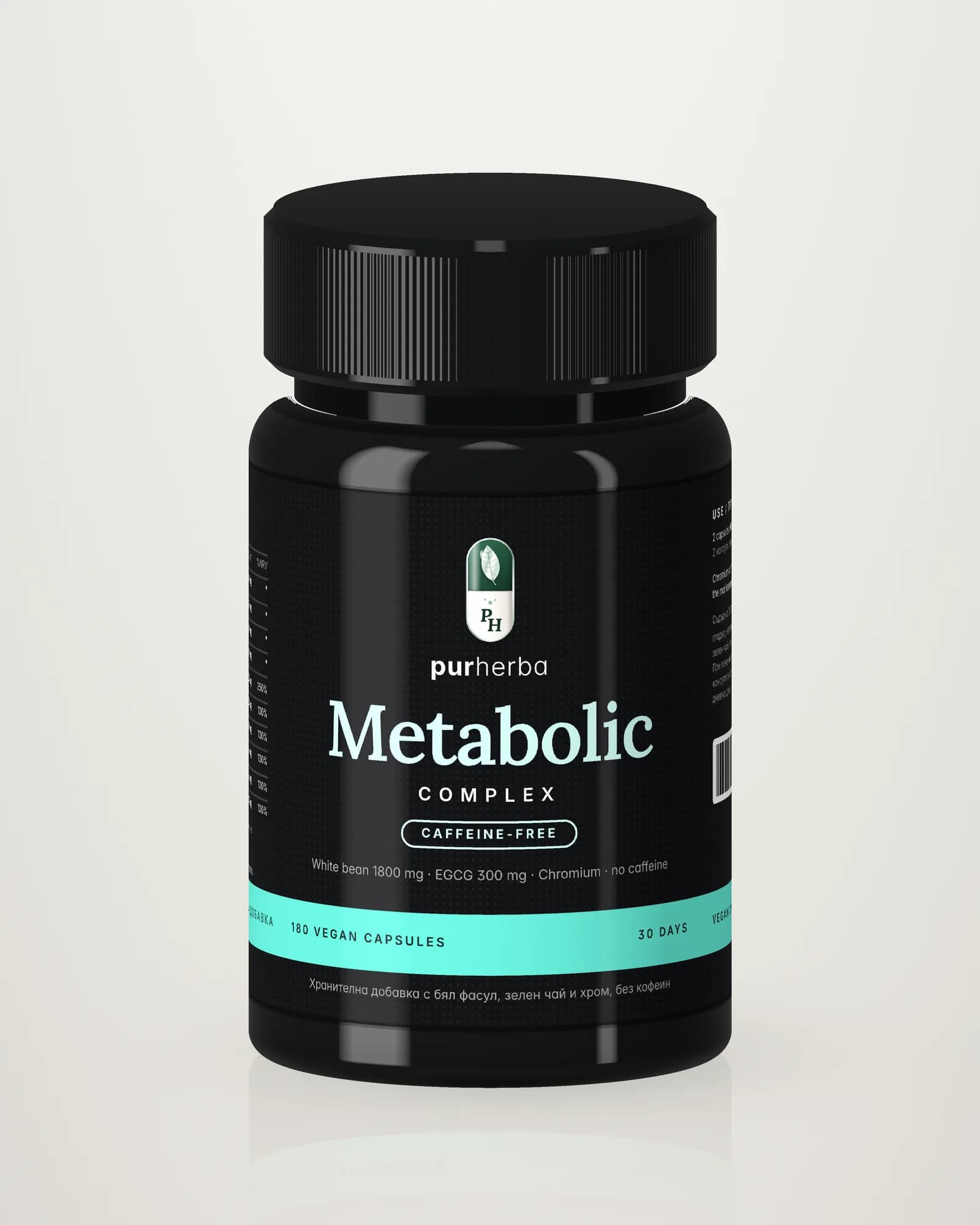
Found in:Metabolic ComplexMetabolic Complex Caffeine-FreeEnergy ComplexEnergy Complex Caffeine-Free
What the percentage of the NRV means
The NRV is the nutrient reference value — the Europe-wide yardstick for each vitamin on the label. 100% NRV for B12 is 2.5 µg, for B6 — 1.4 mg, for folate — 200 µg.
The claims authorised in the EU apply when a product is a “source” of the vitamin in question — at least 15% of the NRV per daily dose.
The higher percentage for B12 makes sense: at small amounts about half is absorbed, while at larger doses the share falls sharply.
What the B vitamins do
According to the health claims authorised in the EU (Regulation (EU) No 432/2012):
- Thiamin (B1), riboflavin (B2), niacin, pantothenic acid, vitamin B6 and vitamin B12 contribute to normal energy-yielding metabolism.
- Riboflavin, niacin, pantothenic acid, vitamin B6, folate and vitamin B12 contribute to the reduction of tiredness and fatigue.
- Thiamin, niacin, vitamin B6 and vitamin B12 contribute to the normal functioning of the nervous system and to normal psychological function.
- Pantothenic acid contributes to normal mental performance.
- Vitamin B6 and vitamin B12 contribute to normal red blood cell formation, and folate contributes to normal blood formation.
Where the B vitamins come from
The story begins with rice and chickens. At the end of the 19th century, the Dutch physician Christiaan Eijkman was looking for the cause of beriberi in the Dutch colonies in Asia. He happened to notice that chickens fed on polished rice developed similar symptoms. In 1897 he concluded that a substance in the rice husk counteracted the disease — later it was named vitamin B1. In 1929 Eijkman received the Nobel Prize for the discovery of the “antineuritic vitamin”.
Around 1912, the biochemist Casimir Funk proposed the word “vitamin” — from the Latin vita, “life”, and “amine”, a nitrogen-containing compound. When it turned out that not all vitamins are amines, the final “e” of “vitamine” was dropped.
B vitamins in our products
Energy Complex (both versions), per daily dose: thiamin 5 mg (455% NRV), riboflavin 5 mg (357%), niacin (nicotinamide) 32 mg (200%), pantothenic acid (calcium D-pantothenate) 18 mg (300%), vitamin B6 (P-5-P) 2.8 mg (200%), folate (L-5-methyltetrahydrofolate) 400 µg (200%) and vitamin B12 (methylcobalamin) 25 µg (1000%).
Metabolic Complex (both versions): niacin 16 mg, vitamin B6 (P-5-P) 1.4 mg and vitamin B12 (methylcobalamin) 2.5 µg — 100% NRV each.
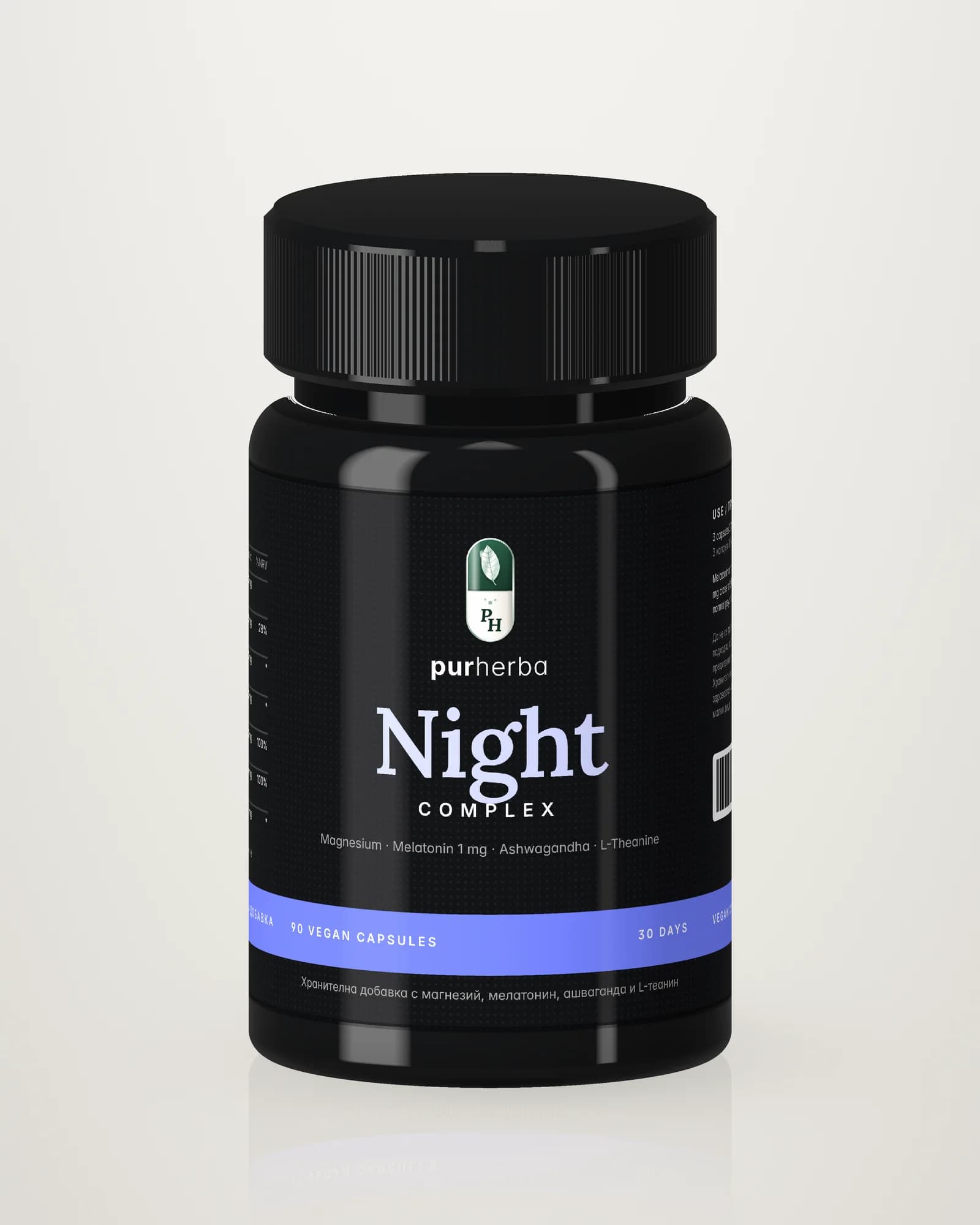
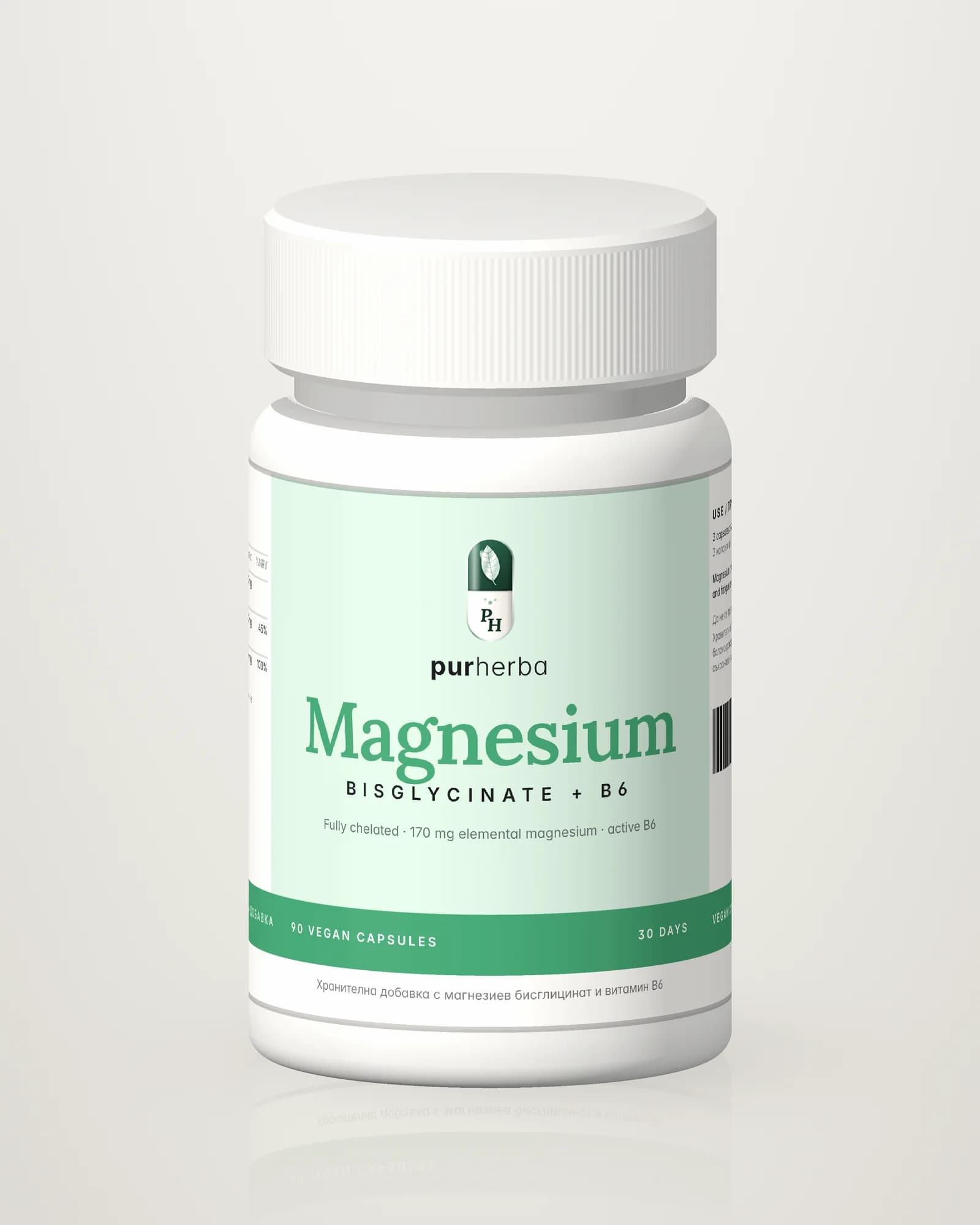
Night Complex and Magnesium Bisglycinate 200 contain vitamin B6 (P-5-P) 1.4 mg (100% NRV).
The certificate of analysis for each of our batches is on the product page and behind the QR code on the packaging.
How to take them
- Energy Complex: 4 capsules in the morning with breakfast. The caffeinated version — not in the evening.
- Metabolic Complex: 3 capsules with breakfast and 3 with lunch, not in the evening; caffeine-free — 2 capsules with each main meal.
B vitamins are water-soluble — take them with water, every day. Energy Complex and Metabolic Complex are not suitable for pregnant or breastfeeding women or for anyone under 18. The caffeinated versions are not recommended for children and pregnant women and should not be combined with each other. Metabolic Complex (300 mg of EGCG a day) should not be taken on an empty stomach or on a day with other green tea products.
Sources
- 1.Регламент (ЕС) № 432/2012 на Комисията за създаване на списък на разрешените здравни претенции (консолидиран текст, BG и EN)
- 2.Commission Regulation (EU) No 432/2012 — consolidated text, EN (17.05.2021)
- 3.Регламент (ЕС) № 432/2012 — оригинален текст, ОВ L 136, 25.5.2012 (BG, PDF)
- 4.Office of Dietary Supplements, NIH (2023). Vitamin B6 — Fact Sheet for Health Professionals
- 5.Office of Dietary Supplements, NIH (2025). Vitamin B12 — Fact Sheet for Health Professionals
- 6.Pietrzik K, Bailey L, Shane B (2010). Folic acid and L-5-methyltetrahydrofolate: comparison of clinical pharmacokinetics and pharmacodynamics. Clin Pharmacokinet 49(8):535-548
- 7.EFSA NDA Panel (2020). Calcium L-methylfolate as a source of folate added for nutritional purposes to infant and follow-on formula, baby food and processed cereal-based food. EFSA Journal 18(1):5947
- 8.The Nobel Prize in Physiology or Medicine 1929 — Christiaan Eijkman, facts. NobelPrize.org
- 9.Piro A, Tagarelli G, Lagonia P, Tagarelli A, Quattrone A (2010). Casimir Funk: his discovery of the vitamins and their deficiency disorders. Ann Nutr Metab 57(2):85-88
- 10.Schwarcz J (2017). Chemistry lesson … #16: Vitamin History. McGill Office for Science and Society
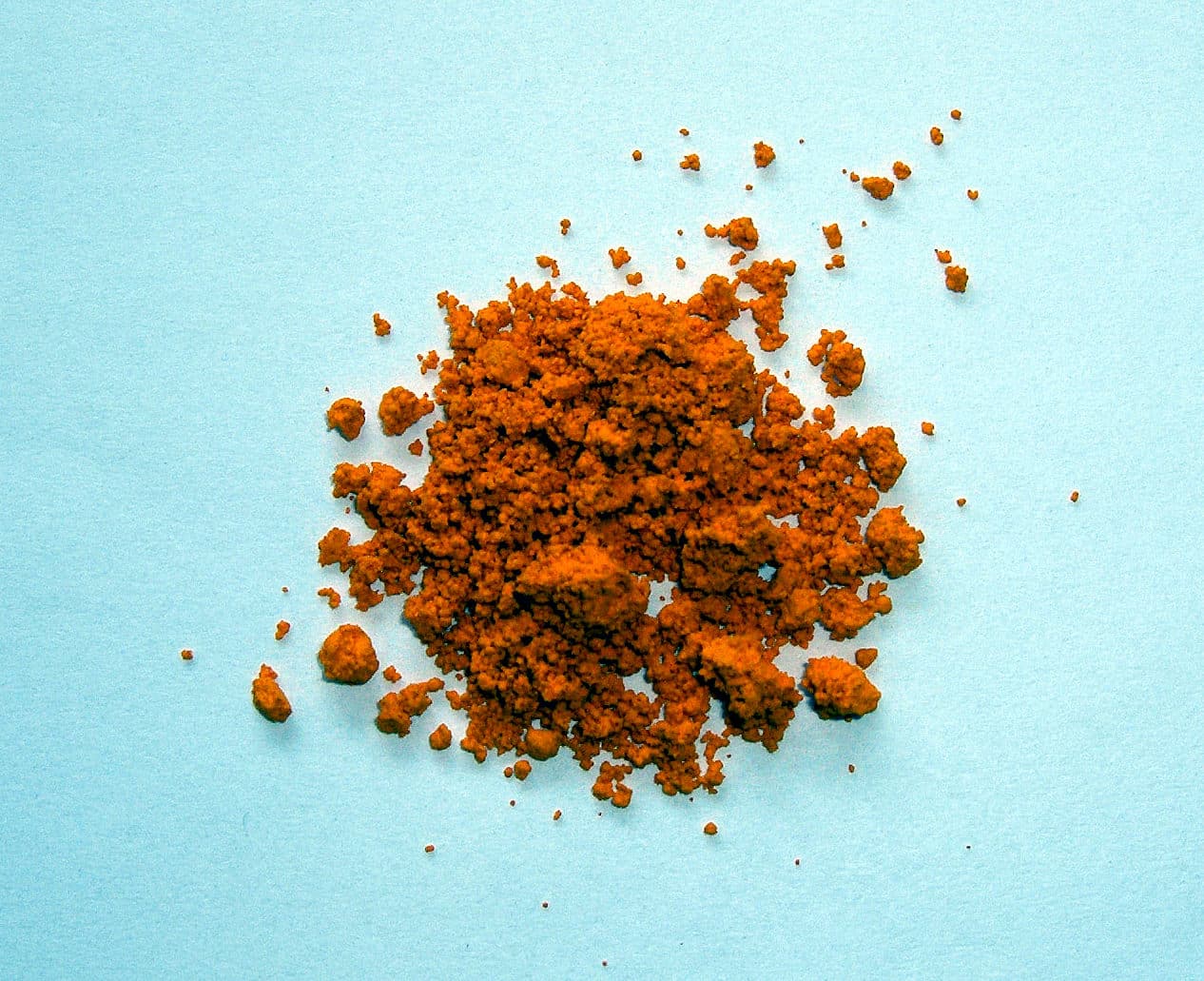
- 11.Photo: “Riboflavin powder-b.jpg”, PatríciaR, CC BY-SA 4.0, Wikimedia Commons