L-theanine: how to choose it and how to take it
The amino acid of tea: why the L-form matters, how pure L-theanine is made, how it is checked and how it is used in Night, Metabolic and Energy Complex.
October 11, 2026

L-theanine is the amino acid of tea, and in nature it is hardly found anywhere else. In supplements, though, not every "theanine" is the same. Here is how to choose a good one, and why.
How to choose
- L-theanine, not just "theanine". The label should say L-theanine.
- Made enzymatically or by fermentation: the methods that give the pure L-form.
- High purity, measured by liquid chromatography (HPLC).
- A clear dose in milligrams per daily serving.
- A certificate of analysis for every batch.
Why? Read on.
Why the L-form
Like most amino acids, theanine has two mirror-image forms, L and D. They are like the left and right hand: identical in composition, but they do not match each other. Tea contains L-theanine; the D-form appears during processing, for example with prolonged heating.
The two forms do not behave in the same way: in studies, D-theanine is absorbed differently and even interferes with the absorption of the L-form (Xiao et al., 2023). That is why a good product contains L-theanine, the same molecule as in a cup of tea.
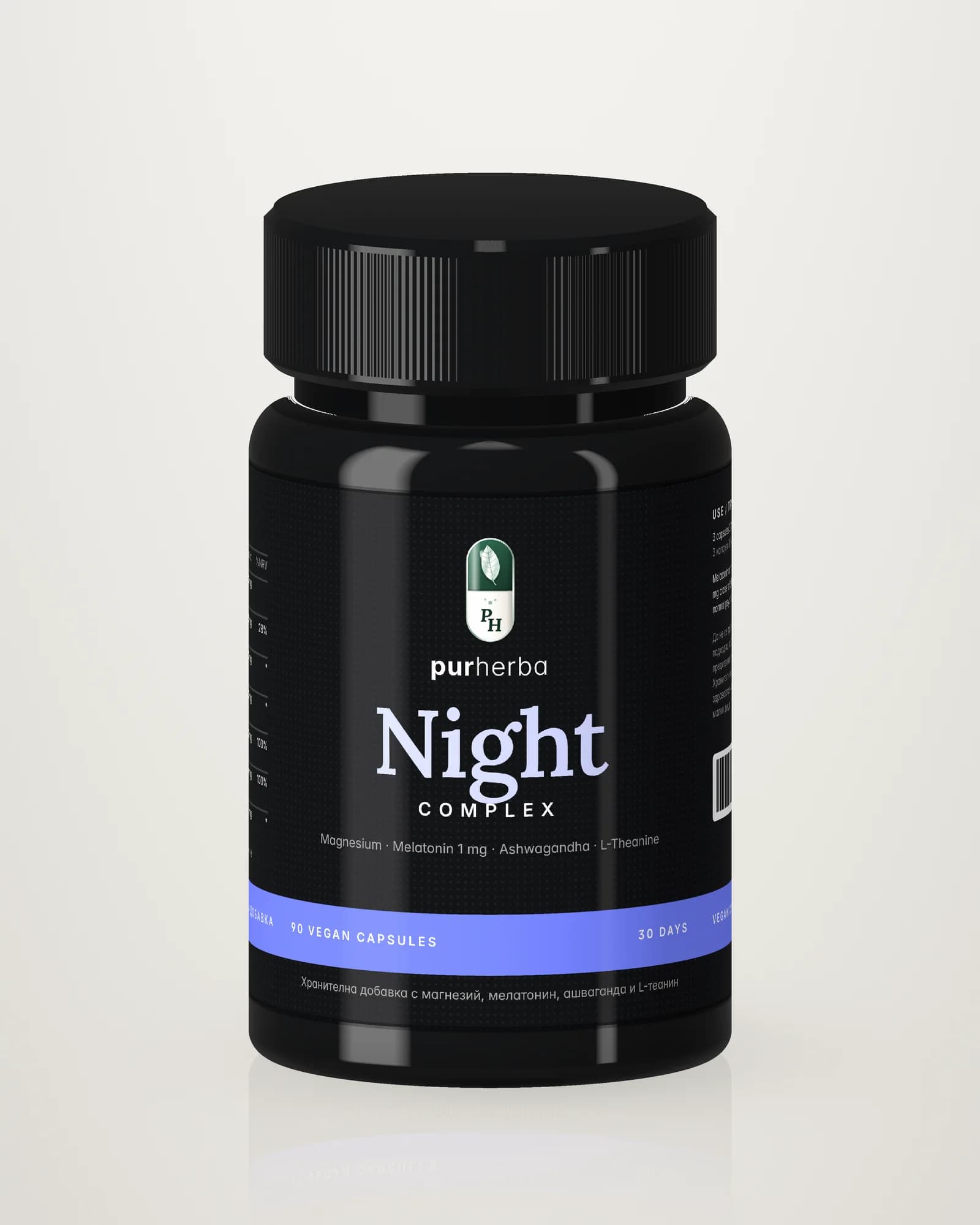
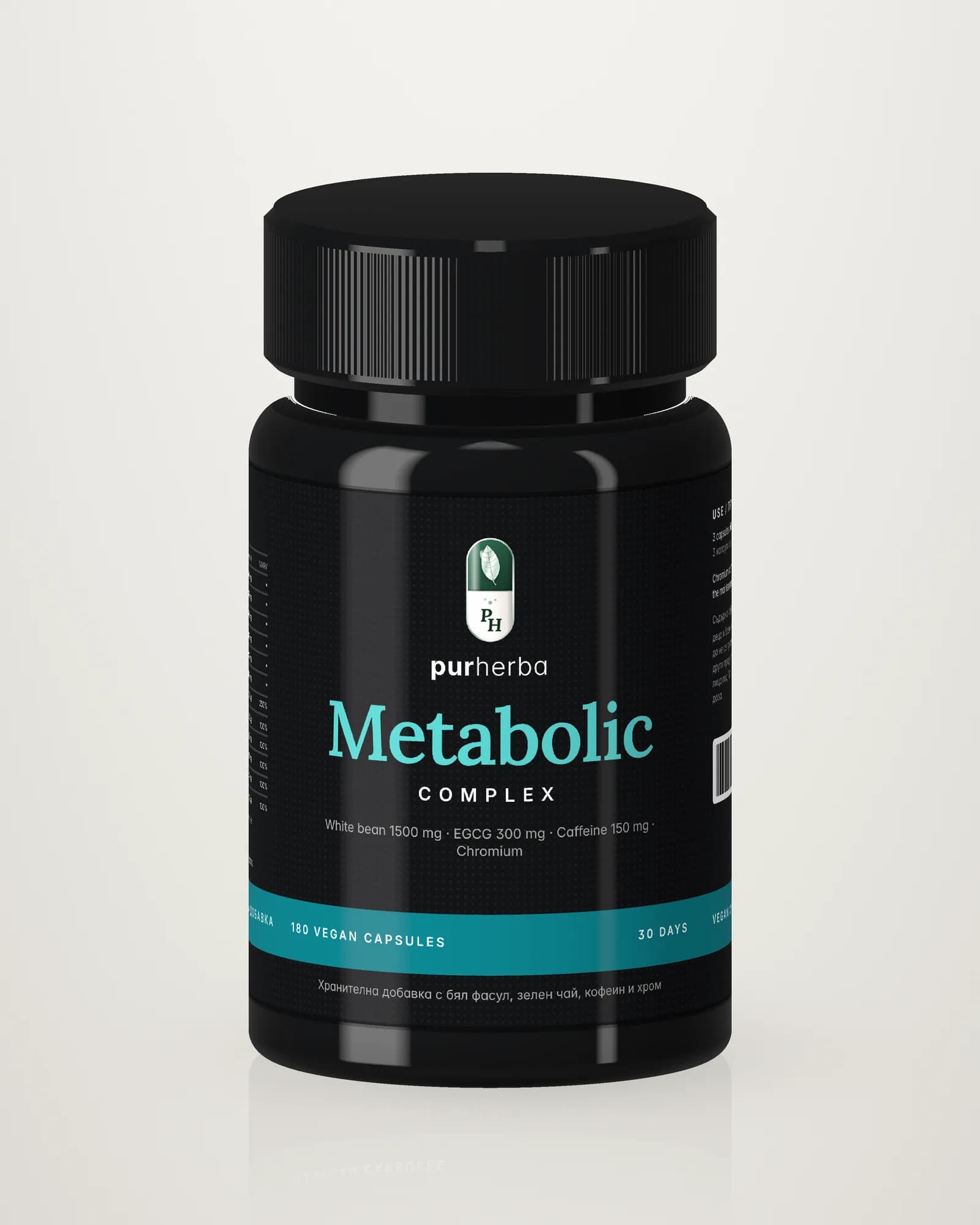
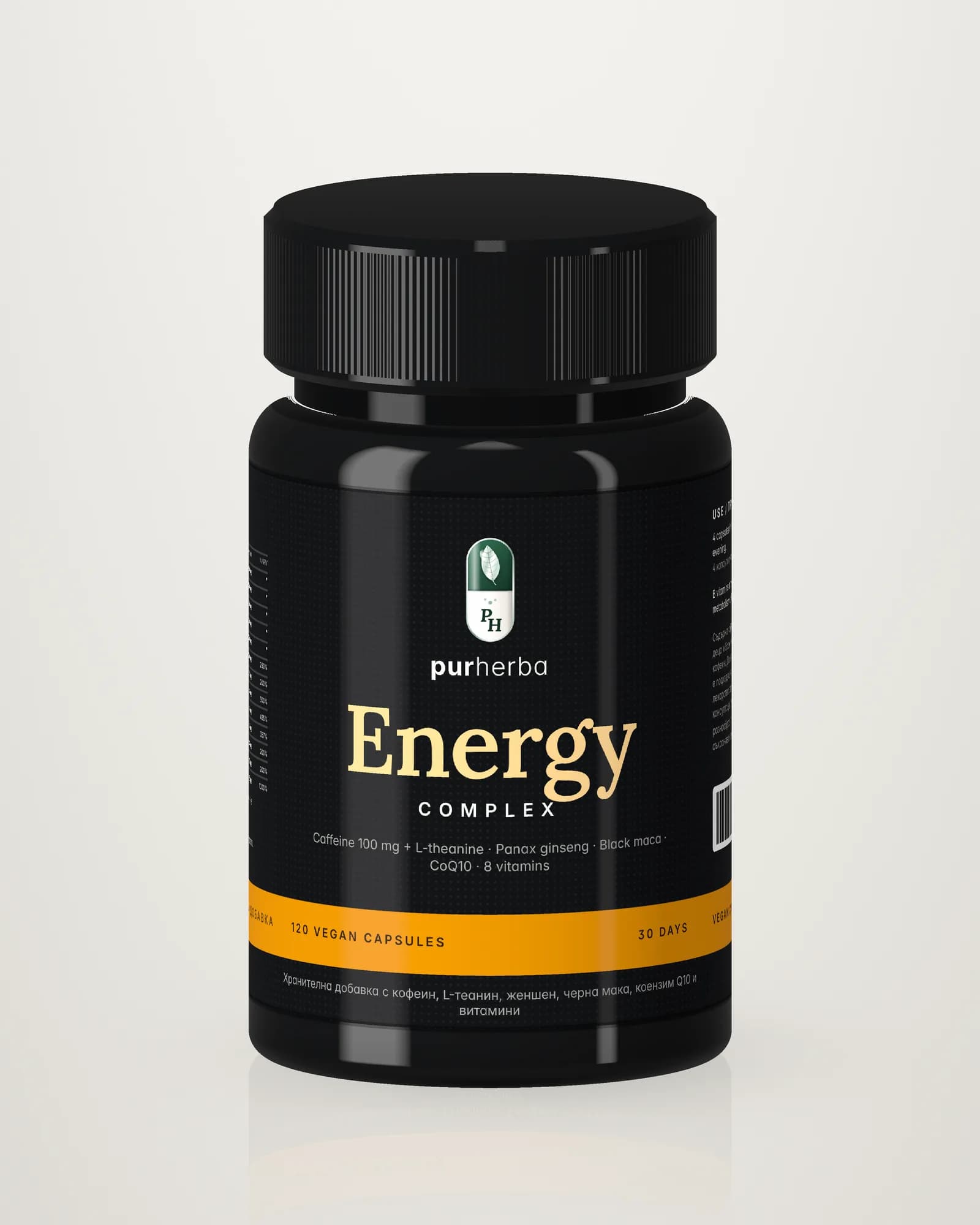
Found in:Night ComplexMetabolic ComplexEnergy Complex
How pure L-theanine is made
In dried tea leaf, theanine is only about 1–2%, so extracting it from tea is slow and expensive. The first chemical synthesis methods were complicated and often produced D-theanine.
Modern production mainly uses two routes that give the L-form: enzymatically, from the amino acid glutamine and ethylamine with the help of enzymes such as glutaminase, and by fermentation with micro-organisms, which specialists regard as the most promising method (Xiao et al., 2023).
How purity is checked
Liquid chromatography (HPLC) shows how much of the powder is theanine. Special chiral methods separate the L- from the D-form and can detect as little as 0.5% D-theanine (Fiori et al., 2018). That is why a good manufacturer shows the analysis, not just a promise.
The certificate of analysis for each of our batches is on the product page and behind the QR code on the pack.
Where theanine comes from
Theanine was discovered in 1949 in Japan by the chemist Sakato as a component of green tea, and a year later it was isolated from the leaves of gyokuro, one of Japan's most prized teas. It has been used in Japan as a food ingredient since 1964.
The tea plant (Camellia sinensis) makes theanine in its roots, from glutamic acid and ethylamine, and transports it to the young leaves. In the tender tips it is 50–70% of all free amino acids (Wang et al., 2025).
Gyokuro and matcha are shaded for about three weeks before harvest. In the light, the plant converts some of the theanine into catechins; in the shade, the theanine stays in the leaf. That is why shaded teas are richest in theanine, and why they have their characteristic soft, sweetish "umami" taste.
Theanine and caffeine: a pair from nature
In tea, theanine and caffeine go together: the plant accumulates both in the same young leaves. A cup of black tea (250 ml) contains about 55 mg of caffeine (EFSA). This natural tandem is the reason many formulas combine L-theanine with natural caffeine.
L-theanine in our products
- Night Complex: 200 mg of L-theanine in an evening formula with magnesium bisglycinate, ashwagandha root extract, zinc, vitamin B6 and 1 mg of melatonin. Caffeine-free.
- Metabolic Complex: 150 mg of L-theanine and 150 mg of natural caffeine from green coffee, in a 1:1 ratio, split across two servings.
- Energy Complex: 200 mg of L-theanine and 100 mg of natural caffeine, in a 2:1 ratio, in the morning serving.
The caffeine-free variants of Metabolic and Energy Complex do not contain L-theanine either. The EU-authorised health claims for these formulas come from the vitamins and minerals in them (and, in Night Complex, from melatonin) and are described on each product's page.
How to take it
- Night Complex: 3 capsules 30–60 minutes before bed. Not suitable for pregnant or breastfeeding women, or for people under 18. May cause drowsiness: do not drive after taking it.
- Metabolic Complex: 3 capsules with breakfast and 3 with lunch, not in the evening. Contains caffeine (150 mg per daily dose) and is not recommended for children or pregnant women. Contains 300 mg of EGCG a day: do not take on an empty stomach or on the same day as other green tea products. Not suitable for pregnant or breastfeeding women, or for people under 18.
- Energy Complex: 4 capsules with breakfast, not in the evening. Contains caffeine (100 mg per daily dose) and is not recommended for children or pregnant women.
Sources
- 1.Xiao S, Qian R, Hu S et al. (2023). Advances in the Production of Theanine by Plants and Microorganisms. Fermentation 9(6):543
- 2.Wang Q, Yu J, Lin W et al. (2025). L-Theanine Metabolism in Tea Plants: Biological Functions and Stress Tolerance Mechanisms. Plants 14(3):492
- 3.Li M-Y, Liu H-Y, Wu D-T et al. (2022). L-Theanine: A Unique Functional Amino Acid in Tea (Camellia sinensis L.) With Multiple Health Benefits and Food Applications. Frontiers in Nutrition 9:853846
- 4.Fiori J, Pasquini B, Caprini C et al. (2018). Chiral analysis of theanine and catechin in characterization of green tea by cyclodextrin-modified micellar electrokinetic chromatography and high performance liquid chromatography. J Chromatogr A 1562:115–122
- 5.L-Theanine monograph (2005). Alternative Medicine Review 10(2):136–138
- 6.EUFIC. Caffeine levels in different foods and drinks (Table 1 from EFSA NDA Panel 2015)
- 7.Wikipedia: Gyokuro (shading ~20 days before harvest; theanine retained) and Theanine (1950 isolation from gyokuro; citing Sakato Y. 1949, Nippon Nogeikagaku Kaishi 23:262–267)
- 8.Photo: “Camellia sinensis Tea Plant ჩაი.JPG”, Lazaregagnidze, CC BY-SA 3.0, Wikimedia Commons