Zinc bisglycinate: how to choose zinc, and why a moderate dose is better
How to compare zinc products by elemental zinc, why bisglycinate is a gentle and well-absorbed form, why 10 mg a day is the right dose and what zinc does according to the EU-authorised claims.
October 11, 2026

Zinc is one of the most common minerals in dietary supplements, on its own and in formulas. Products, however, differ in form and dose more than the label suggests. Here is how to choose, and why.
How to choose
- Look at the elemental zinc, the "of which zinc" line, not the weight of the compound.
- Choose a well-absorbed form (bisglycinate, citrate, gluconate) rather than oxide.
- A moderate dose: 10 mg of zinc a day covers 100% of the NRV.
- If you take several products containing zinc, add up the amounts.
- Ask for a certificate of analysis for the batch.
Why? Read on.
Elemental zinc: the number to compare
Zinc is always bound to another molecule, and that weighs something too. That is why the label should say how much of the compound is zinc itself.
How much zinc each form provides (calculated from molar mass):
- zinc oxide: 80%
- zinc citrate (dihydrate): about 32%
- zinc bisglycinate: about 30%
- zinc sulphate (heptahydrate): 23%
- zinc picolinate: 21%
- zinc gluconate: 14%
10 mg of zinc from gluconate is 70 mg of compound, and from bisglycinate about 33 mg. Compare the "of which zinc" line.
Why bisglycinate
Bisglycinate is a chelate: each zinc atom is bound to two glycine molecules. The form is stable, neutral in taste and gentle on the stomach.
Zinc from citrate and gluconate is absorbed similarly, at about 61%, and from oxide at about 50% (NIH ODS). In a direct comparison in 12 female volunteers, bisglycinate gave about 40% more zinc in the blood than gluconate (Gandia et al., 2007).
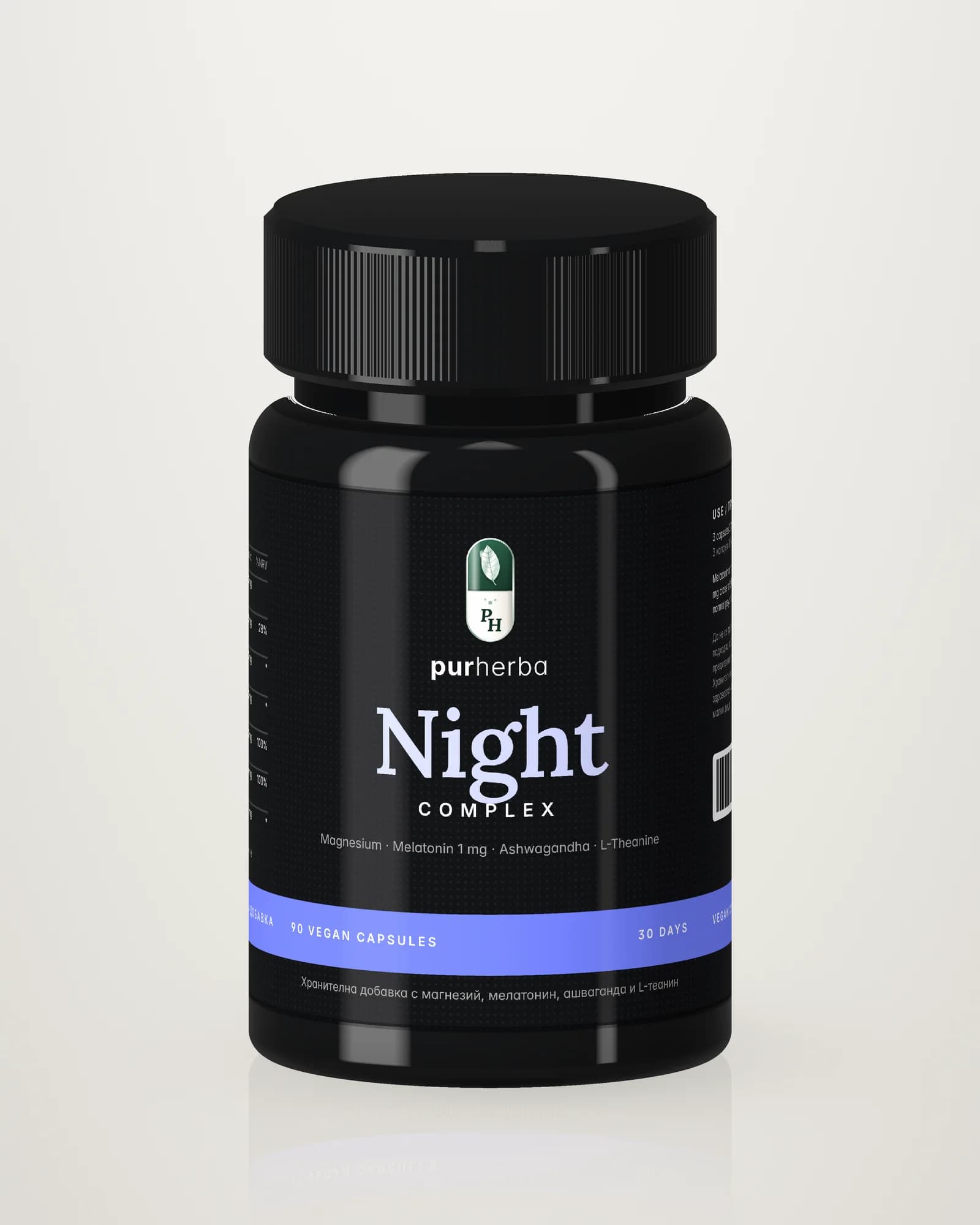
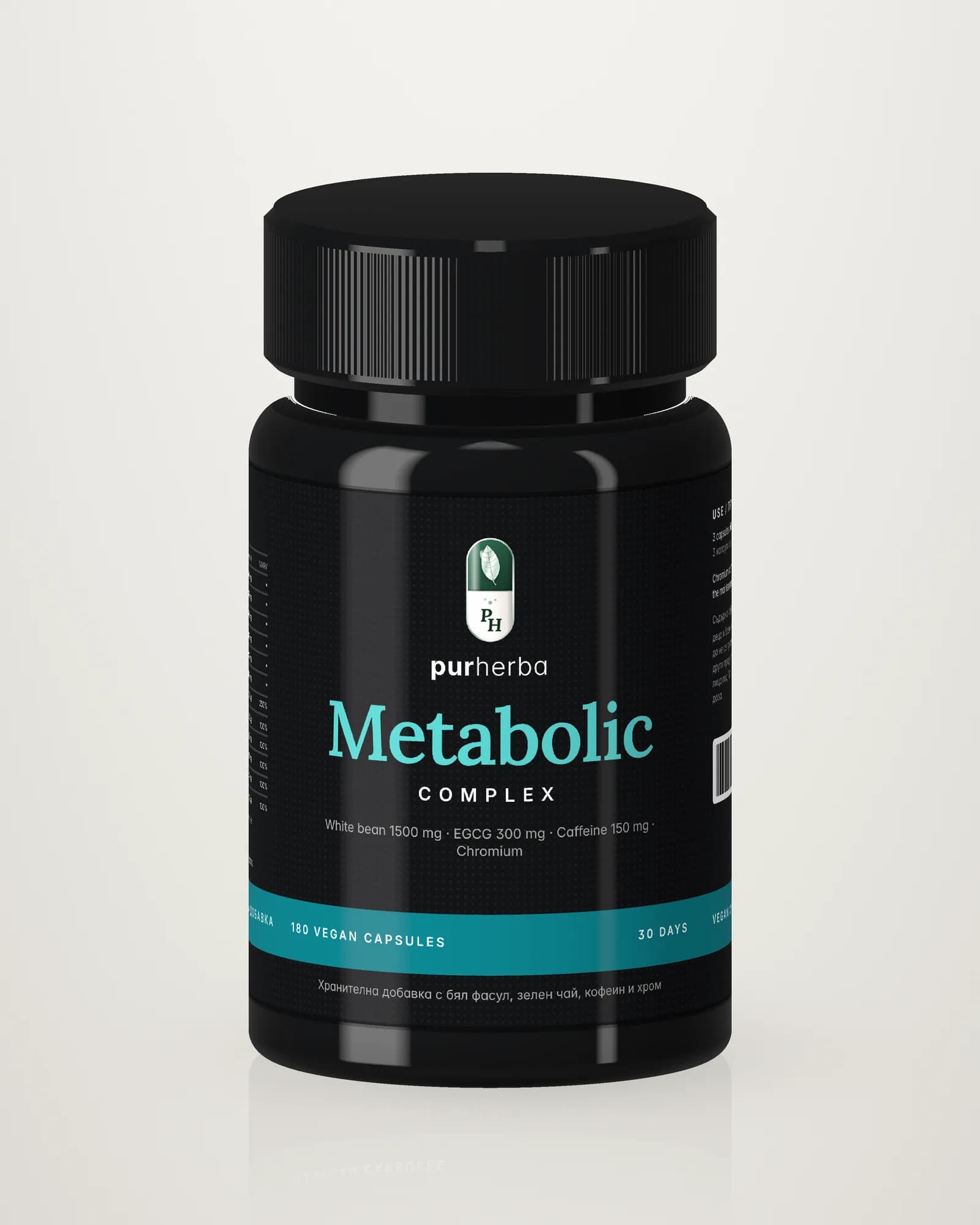
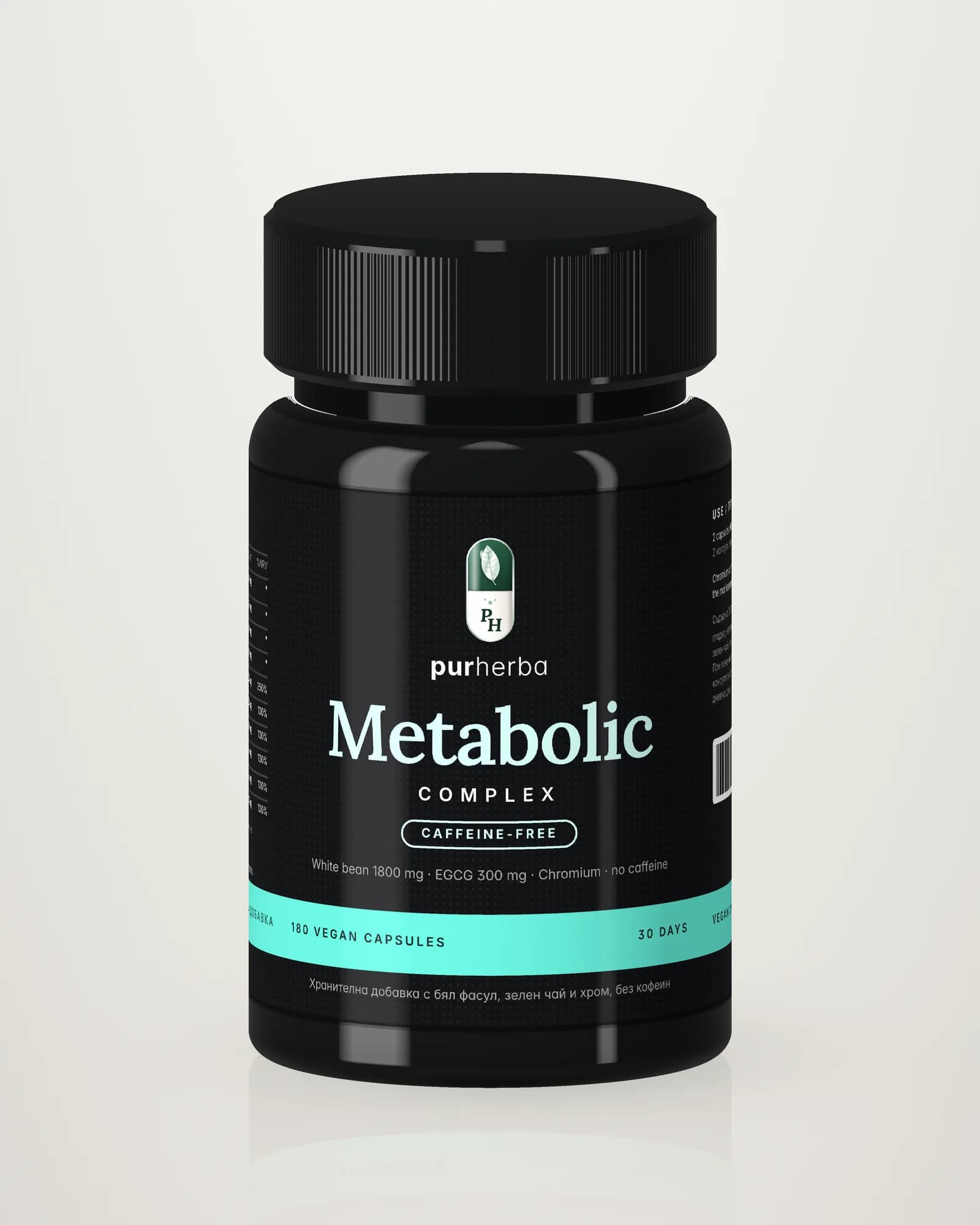
Found in:Night ComplexMetabolic ComplexMetabolic Complex Caffeine-Free
Why 10 mg
10 mg of zinc is 100% of the nutrient reference value on labels (NRV), the amount at which the authorised claims apply.
EFSA sets 25 mg a day as the upper limit for total zinc intake in adults, from food and supplements together. That is why a moderate dose is the sensible choice: 10 mg from a supplement leaves room for the zinc from food.
The most zinc is found in oysters, red meat, poultry, seafood, eggs and dairy products. Pulses, nuts and wholegrains also contain zinc, but the phytates in them reduce its absorption.
Why the certificate matters
The certificate of analysis shows the zinc content, heavy metals and microbiology. The certificate for each of our batches is on the product page and behind the QR code on the pack.
What zinc does
According to the health claims authorised in the EU (Regulation (EU) No 432/2012), zinc:
- contributes to the normal function of the immune system;
- contributes to normal cognitive function;
- contributes to the protection of cells from oxidative stress;
- contributes to the maintenance of normal skin;
- contributes to the maintenance of normal hair;
- contributes to the maintenance of normal nails;
- contributes to the maintenance of normal bones;
- contributes to the maintenance of normal vision;
- contributes to normal macronutrient metabolism;
- contributes to normal carbohydrate metabolism;
- contributes to normal protein synthesis;
- has a role in the process of cell division.
How we know zinc is essential
In 1869 the French chemist Jules Raulin discovered that the mould Aspergillus niger does not grow without zinc. In 1933 the same was shown in rats, but for a long time it was thought that a deficiency in humans was hardly possible.
That changed with the physician Ananda Prasad. In 1961 in Shiraz, Iran, he described young men with severe growth retardation, and his research in Egypt, published in 1963, showed that the cause was zinc deficiency. Since then zinc has been recognised as an essential mineral for humans too.
Zinc in our formulas
In Night Complex and Metabolic Complex the zinc is bisglycinate, 10 mg, which is 100% of the NRV. In Night Complex it sits alongside magnesium, vitamin B6 and melatonin; in Metabolic Complex, alongside chromium, iodine, niacin and vitamins B6 and B12.
How to take it
- Night Complex: 3 capsules 30–60 minutes before bed, with water. Not suitable for pregnant or breastfeeding women, or for people under 18. May cause drowsiness: do not drive after taking it.
- Metabolic Complex: 3 capsules with breakfast and 3 with lunch, not in the evening. Contains caffeine (150 mg a day) and is not recommended for children or pregnant women. Contains 300 mg of EGCG a day: do not take on an empty stomach or on the same day as other green tea products. Not suitable for pregnant or breastfeeding women, or for people under 18.
- If you take several products containing zinc, add up the amounts. Together with food, your total intake should stay below 25 mg a day.
Sources
- 1.Prasad AS (2013). Discovery of human zinc deficiency: its impact on human health and disease. Adv Nutr 4(2):176–190
- 2.NIH Office of Dietary Supplements. Zinc — Fact Sheet for Health Professionals
- 3.Gandia P et al. (2007). A bioavailability study comparing two oral formulations containing zinc (Zn bis-glycinate vs. Zn gluconate) after a single administration to twelve healthy female volunteers. Int J Vitam Nutr Res 77(4):243–248
- 4.EFSA (2024). Overview on Tolerable Upper Intake Levels as derived by the SCF and the EFSA NDA Panel (UL summary report)
- 5.Регламент (ЕС) № 432/2012 на Комисията от 16 май 2012 г. за създаване на списък на разрешените здравни претенции за храни. ОВ L 136, 25.5.2012, с. 1–40 (български текст)
- 6.Photo: “Zinc fragment sublimed and 1cm3 cube.jpg”, Alchemist-hp, FAL, Wikimedia Commons